The Importance of Hiring Licensed and Insured Commercial Roofing Contractors

Builder carefully places roof tiles on a sloped surface while standing on top of a building showcasing the effort involved in roofing work Builder carefully places roof tiles on a sloped surface while standing on top of a building showcasing the effort involved in roofing work metal roof installation stock pictures, royalty-free photos & images

When it comes to roofing projects, hiring a contractor who is properly licensed and fully insured is one of the most critical decisions you can make. The roof is a vital component of any structure, protecting your home or business from the elements while maintaining energy efficiency. A licensed and insured roofing contractor ensures your project meets quality standards and safeguards you from potential liabilities.

Ensuring Compliance with Local Regulations

Licensing requirements vary by state or region, but a license demonstrates that the contractor has met the necessary qualifications to perform roofing work in compliance with local building codes. This ensures:
– Adherence to safety regulations
– Proper permits are obtained before starting work
– Projects meet structural integrity laws

An unlicensed contractor may cut corners or fail to meet these requirements, leaving you vulnerable to legal or structural issues down the road.

Protection Against Liability

Type of Insurance What It Covers Why It’s Important
General Liability Property damage caused during the project Avoids financial responsibility for damages
Workers’ Compensation Injuries sustained by workers on your property Ensures injured workers are covered

Without proper insurance coverage, you could be held financially responsible for medical expenses or property repairs resulting from accidents on your property.

Assurance of Professionalism

A licensed and insured contractor demonstrates professionalism and accountability. It shows that they take their work seriously and are invested in adhering to industry standards. Contractors with these credentials are more likely to:
– Use high-quality materials approved by manufacturers
– Employ skilled workers trained in advanced techniques
– Provide warranties on labor and materials

This level of professionalism reduces the likelihood of shoddy workmanship that could lead to costly repairs in the future.

Peace of Mind for Homeowners and Business Owners

One common concern homeowners face when hiring contractors is the risk of fraud or poor service. A licensed roofer must meet certain qualifications that verify their knowledge, skillset, and ethical practices within their trade. Additionally, insured contractors provide financial reassurance should unexpected issues arise during the project.

Questions You Should Ask Your Roofing Contractor About Licensing and Insurance

Before hiring any contractor, it’s crucial to verify their licensing status and request proof of insurance. Consider asking:
1. Can I see a copy of your current license?
2. Are you insured? If so, can I review your certificates for general liability and workers’ compensation?
3. Does your insurance cover subcontractors working on my project?
4. Will my homeowner’s insurance be impacted by this project in any way?

By asking these questions upfront, you’ll gain confidence in your decision-making process while ensuring you protect both yourself and your property during all stages of roof installation or repair.

Hiring a roofing contractor who is properly licensed and fully insured isn’t just about meeting minimum legal requirements—it’s about safeguarding your investment while ensuring top-notch results for one of the most important parts of any building: its roof.

How to Choose the Best Commercial Roofing Contractor Offers for Your Project

Selecting the right roofing contractor is critical to ensuring a successful project, whether you’re addressing issues with your home or a commercial property. The quality of your roof installation, repair, or replacement largely depends on the expertise and professionalism of the contractor you hire. Below are several key points to consider when choosing the best roofing contractor for your needs.

Verify Credentials and Licensing

One of the first steps in choosing a roofing contractor is verifying their credentials:
License: Make sure the contractor is properly licensed to operate in your state. Most states require contractors to meet specific standards before being licensed, ensuring they’re qualified for the work.
Certifications: Check whether they hold certifications from reputable roofing manufacturers or trade organizations. These certifications indicate that they’ve undergone additional training and meet quality standards.

Confirm Insurance Coverage

A reliable roofing contractor should carry proper insurance, including:
General Liability Insurance: Protects you from damages in case of accidents during the job.
Worker’s Compensation Insurance: Covers injuries that workers might sustain while working on your property.

Hiring an uninsured contractor can leave you liable for accidents or damage that occur during the project.

Assess Experience and Expertise

The level of experience a roofing contractor has can make a significant difference in project quality. Look for companies with:
– A proven track record of successfully handling similar projects (residential or commercial).
– Specialization in specific materials that match what you need (e.g., asphalt shingles, metal roofs, flat roofs).

Ask how long they have been in business and request references or examples of their past work.

Ask About Warranties

A professional roofing contractor should offer warranties on both labor and materials. Common types include:
Manufacturer’s Warranty: Covers defects in materials used for your roof installation or repair.
Workmanship Warranty: Ensures that any errors made during installation will be corrected without additional cost to you.

Be sure to clarify how long these warranties last and what specifically is covered under them.

Compare Estimates but Don’t Only Focus on Price

While it’s important to get multiple estimates from different contractors, remember that price shouldn’t be the sole deciding factor. A cheaper bid may indicate:
– The use of low-quality materials.

– Inadequate insurance coverage.

– Lack of experience or expertise.

Instead, weigh price alongside factors such as reputation, warranty offers, timeline commitments, and communication.

Factor Questions to Ask Why It Matters
Licensing & Insurance Are you licensed? Do you carry full insurance? Ensures compliance & protects homeowner
Experience How many years have you been in business? Demonstrates reliability & capability
Warranties What labor/material warranties do you offer? Guarantees long-term peace of mind

Verify Online Reputation

Check reviews from previous customers using platforms like Google Reviews, Better Business Bureau (BBB), Yelp, or Angie’s List. Look out for consistent feedback about:
– Timeliness.

– Professionalism.

– Quality workmanship.

Also ask friends, family members, or neighbors if they’ve worked with any contractors they trust.

Choose Local Contractors

Opting for a local company offers several advantages:

– They’re more familiar with regional building codes.

– Easier accessibility if future repairs are necessary.

– A stronger commitment to building trust within their community.

When selecting a roofing contractor for your residential or commercial project, thorough research ensures peace of mind throughout every stage—from consultation through completion—while safeguarding one of your property’s most vital structures: its roof.

How to Choose the Best Commercial Roofing Services for Your Project

Selecting the right roofing contractor for your residential or commercial project is a critical decision that can significantly impact the safety, durability, and value of your property. With numerous contractors offering their services, knowing what to look for can help ensure you make an informed choice. Below are key factors and steps to consider when choosing the best roofing contractor.

Verify Licensing and Insurance

Before hiring a contractor, confirm that they are properly licensed and carry adequate insurance coverage. This protects you from liability in case of accidents or property damage during the project.

Be sure to check:

License validity: Confirm that their business license aligns with state and local regulations.

General liability insurance: Covers potential property damage.

Workers’ compensation insurance: Protects you if a worker is injured on your property.

Look for Experience and Expertise

Roofing projects demand specialized knowledge, so working with an experienced contractor is essential. Consider:

– How long the contractor has been in business.

– Specific expertise in residential or commercial roofing projects.

– Familiarity with various roofing materials such as asphalt shingles, metal roofs, or EPDM systems for flat roofs.

Experienced contractors often have better problem-solving skills and knowledge of industry best practices compared to newer firms.

Check References and Reviews

Reputable contractors should provide references from past clients who can vouch for their quality of work. Additionally:

– Visit online review platforms like Google Reviews, Yelp, or the Better Business Bureau (BBB) to assess overall satisfaction ratings.

– Look for recurring themes in reviews—positive or negative—to understand what you might expect.

Get Multiple Estimates

Repair of the old roof made of asbestos-cement sheets. Laying a metal profiled sheet. Repair of the old roof made of asbestos-cement sheets. Laying a metal profiled sheet. metal roof installation stock pictures, royalty-free photos & images

Obtaining at least three written estimates can help you compare costs while ensuring transparency. These estimates should include: | Item | Details | |—————————-|———————————————————-| | Scope of Work | Detailed description of tasks involved | | Materials | Types and brands of roofing materials | | Labor Costs | Hourly rates or total projected labor expenses | | Timeline | Estimated start and completion dates | | Warranty Details | Coverage on both materials and workmanship |

A detailed estimate shows professionalism and helps avoid unexpected charges later.

Evaluate Communication Skills

Clear communication is essential in any construction project. Pay attention to how promptly they respond to inquiries, whether they thoroughly address your concerns, and how transparent they are about project details. Poor communication can lead to misunderstandings that cause delays or added costs.

Assess Warranties Offered

Roofing warranties vary by contractor but typically cover materials, workmanship—or both—for a specified time period. A reliable contractor will stand behind their work with strong warranty terms that provide peace of mind.

Consider asking about:

– Manufacturer warranties (on roofing materials).

– Workmanship warranties (on installation quality).

Avoid Red Flags

Be cautious if you notice any concerning behaviors during your evaluation process:

– High-pressure sales tactics urging immediate decisions.

– Lack of proper documentation like licenses or insurance proof.

– Vague estimates without itemized details.

These red flags could indicate unreliable service providers who may not deliver quality results.

By following these steps diligently, you’ll be better equipped to choose a roofing contractor who meets your specific needs while ensuring high-quality results tailored to your residential or commercial project requirements. Always prioritize professionalism, reliability, and transparent practices when making this important decision.

Why Choose a Commercial Roofing Company for Your Roof Replacement

When it comes to replacing your roof, choosing professional roofing contractors is one of the most important decisions you can make. Roof replacement is a significant investment, and ensuring the job is done correctly can save you time, money, and stress in the long run. Below are some key benefits of working with experienced roofing professionals for your next project.

Expertise and Skillset

  • Accurate Roof Inspection: They identify underlying issues such as water damage, ventilation problems, or mold that may not be visible at first glance.
  • Proper Installation Techniques: Trained professionals ensure proper installation methods are followed to create a durable and weather-resistant roof.
  • Compliance with Building Codes: Experienced contractors understand local building codes and ensure that your new roof meets all legal requirements.

Access to High-Quality Materials

Material Type Benefit Example Products
Asphalt Shingles Affordable, versatile, and widely available Architectural shingles
Metal Roofing Long-lasting (up to 50 years), resistant to extreme weather Aluminum or steel panels
Slate or Tile Roofing Aesthetic appeal combined with superior durability Natural slate tiles
Eco-Friendly Options Sustainable materials designed for energy efficiency Recycled shingles

Professional contractors know which materials work best based on your local climate conditions as well as your home’s structure.

Safety Measures

  • Use of appropriate safety gear like harnesses and helmets during installation.
  • Adherence to Occupational Safety and Health Administration (OSHA) guidelines.
  • Proper handling of tools and machinery to avoid accidents.

By relying on experts who prioritize safety, you protect yourself from potential liabilities related to workplace injuries or property damage.

Warranty Protection

  • Manufacturer’s Warranty: Covers defects in roofing materials.
  • Workmanship Warranty: Covers errors made during installation by the contractor.

Always confirm the details of these warranties before beginning work on your project.

Time Efficiency

Replacing a roof requires careful planning, coordination, and execution—all tasks that professionals handle efficiently thanks to their experience. A professional team can complete the project within established timelines without compromising on quality.

Cost Savings

  1. They purchase materials at bulk discounts from suppliers.
  2. Their precision reduces waste caused by measurement errors during installation.
  3. Proper installation ensures energy efficiency by preventing heat loss through leaks.

By investing in professionals upfront, you minimize costly mistakes that could lead to higher expenses later on.

Hiring professional roofing contractors offers numerous advantages ranging from quality workmanship to enhanced safety measures. Whether you’re replacing an aging roof or upgrading its material for better performance, partnering with experienced professionals ensures that your investment yields lasting results while protecting your home or business effectively.

Top Questions to Ask Before Hiring a Roofing Contractor for Your Home or Business

Are You Licensed and Insured?

  • Why it Matters: Licensing ensures that the contractor meets state or local requirements for roofing work, while insurance protects you from liability if accidents or property damage occur.
  • Can you provide proof of your license?
  • What type of insurance do you carry (e.g., general liability, workers’ compensation)?
Question What to Look For
Proof of License Active and valid state-issued license for roofing services
Insurance Coverage General liability and workers’ compensation insurance certificates

What Experience Do You Have with Similar Projects?

  • Why it Matters: Different types of roofing systems (residential vs. commercial) require different skill sets. Understanding their experience with projects like yours ensures they have the necessary expertise.
  • How long have you been in business?
  • Have you worked on homes or businesses with a similar roof type?

Can You Provide References or Examples of Past Work?

  • Why it Matters: Viewing past projects or speaking to previous clients allows you to evaluate their workmanship and customer service quality.
  • Request photos from completed projects.
  • Ask for contact information of past clients willing to share their experiences.

Do You Offer Warranties on Workmanship and Materials?

  • Why it Matters: A reliable contractor will stand behind their work by offering warranties that cover both labor and materials.
  • What does the warranty cover (leaks, installation errors)?
  • How long does the workmanship warranty last?

What is Your Estimated Timeline for Completion?

  • Why it Matters: Understanding how long the project will take helps you prepare for disruptions and ensures timely completion.
  • How do weather conditions impact your timeline?
  • Will there be any potential delays due to material availability?
Question Importance
Estimated Start Date Helps plan around project commencement
Project Milestones Provides insight into progress checkpoints

Will You Provide a Written Estimate and Contract?

  • Why it Matters: A detailed estimate prevents misunderstandings about costs, while a formal contract outlines terms such as payment schedules, materials used, and project scope.
  • Itemized list of materials
  • Labor costs
  • Permitting fees

Who Will Be Working on My Roof?

  • Why it Matters: Some contractors subcontract labor, which may impact job quality if not adequately supervised.
  • Do you use subcontractors or in-house employees?
  • Who will oversee the project on-site?

By thoroughly vetting potential roofing contractors using these questions, homeowners and business owners can ensure they hire professionals who align with their needs.

The Role of Quality Materials in Ensuring a Long-Lasting and Durable Roof Installation

A roof is one of the most critical components of any building, acting as the first line of defense against weather elements, protecting structural integrity, and maintaining interior comfort. However, the longevity and durability of a roof heavily depend on the quality of materials used during its installation. Selecting premium-quality materials not only enhances performance but also reduces maintenance and repair costs over time. Below is an exploration of why material quality matters and how to approach your choice wisely.

Benefits of Using High-Quality Roofing Materials

  1. Enhanced Durability
    Premium roofing materials are designed to withstand extreme weather conditions such as heavy rain, snow, hailstorms, or high winds. Their robust composition minimizes wear and tear, making them less prone to premature damage.
  2. Improved Energy Efficiency
    High-quality roofing materials often have better insulation properties or reflective capabilities, reducing energy consumption by keeping buildings cooler in the summer and warmer in the winter.
  3. Low Maintenance
    Investing in superior roofing products can save you money on frequent repairs or replacements. These materials are typically more resistant to issues like cracking, warping, or water penetration.
  4. Increased Property Value
    A roof built with durable materials improves curb appeal and adds value to your property through better aesthetic appeal and long-lasting functionality.
  5. Environmental Sustainability
    Many modern roofing options are designed with sustainability in mind. High-grade materials can include recyclable options or environmentally friendly designs that reduce waste over time.

Types of Roofing Materials

Material Type Key Benefits Lifespan (Approx.) Maintenance Level
Asphalt Shingles Affordable, versatile 20-30 years Moderate
Metal Roofing Lightweight, energy-efficient 40-70 years Low
Clay Tiles Fire-resistant, durable 50+ years Low to moderate
Slate Premium durability 75+ years Very low
Wood Shingles Natural look 25-30 years High

Factors to Consider When Choosing Materials

  • Climate Conditions: Pick materials tailored for your local climate (e.g., metal roofs for snowy regions or reflective shingles for hot climates).
  • Roof Design: Ensure compatibility with your roof’s shape and slope; certain materials work better for flat roofs while others suit steep pitches better.
  • Budget: Higher-quality materials may carry a higher upfront cost but often provide greater savings over their lifespan due to reduced maintenance needs.
  • Manufacturer Warranties: Look into warranties offered by material manufacturers as an indication of product reliability.

The Importance of Working with Professional Contractors

  1. Roofing systems are installed according to manufacturer guidelines.
  2. Proper underlayment and insulation are used alongside high-quality surface materials.
  3. Installation techniques reduce common risks such as water leakage or uneven wear patterns.

Using quality roofing components is essential for maintaining durability while minimizing long-term costs associated with repairs or replacements further down the line.


Tags:

Expert Insights on Choosing the Best Commercial Roofing Services for Your Business

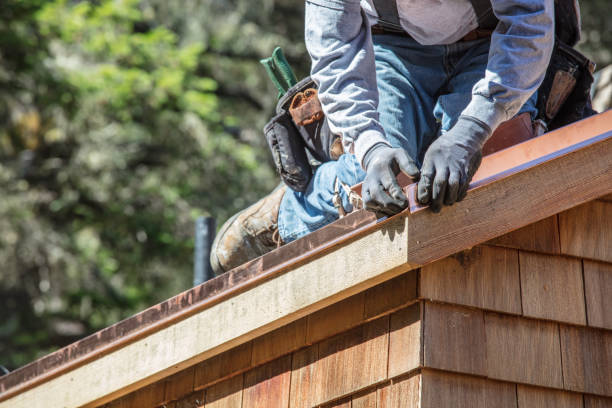
Installing new roof with copper flashing Installing new roof with copper edge metal roof installation stock pictures, royalty-free photos & images

Choosing a roofing contractor is one of the most important decisions when it comes to maintaining, repairing, or replacing your roof. With so many options available, it can be overwhelming to determine which contractor is the best fit for your project. Relying on expert insights can help ensure you make an informed decision. Here’s a guide to help you hire the right roofing contractor for your home or business.

Why Hiring a Professional Roofing Contractor Matters

A roof is more than just a protective layer; it plays a crucial role in safeguarding your property from weather elements and adds value to your building. Attempting DIY roofing projects or hiring inexperienced contractors can lead to costly mistakes, structural damage, and unsafe conditions.

Professional roofing contractors bring expertise, experience, and quality workmanship that ensures long-lasting results. They also follow local building codes and safety regulations while providing warranties for their work.

Key Qualities to Look for in a Roofing Contractor

Finding the right contractor requires evaluating their qualifications, reputation, and approach to customer service.

  • Ensure the contractor is properly licensed in your state or region.
  • Verify they carry liability insurance and worker’s compensation insurance.
  • Look for contractors with several years of experience relevant to your type of project (residential or commercial).
  • Experienced contractors are typically better equipped to handle unexpected challenges.
  • Check if they hold certifications from reputable manufacturers like GAF, CertainTeed, or Owens Corning.
  • These certifications often indicate advanced training in specific roofing systems.
  • Ask for references from past clients.
  • Review their online ratings and testimonials on platforms like Google Reviews, Yelp, or the Better Business Bureau (BBB).
  • A reliable contractor will offer both workmanship warranties (covering labor) as well as manufacturer warranties (covering materials).

Questions to Ask Potential Contractors

  1. Are you licensed and insured? Can you provide proof?
  2. How long have you been in business?
  3. Do you have experience working with my specific type of roof?
  4. Can you provide references from past clients?
  5. What does your warranty cover?
  6. Will you handle obtaining necessary permits?
  7. How do you manage unforeseen issues during the project?

Red Flags When Choosing a Roofing Contractor

  • Unusually Low Bids: Beware of offers significantly lower than competing quotes; they may cut corners on materials or labor quality.
  • Lack of Written Contracts: A reputable contractor should always provide detailed written agreements outlining scope, costs, timelines, and warranty details.
  • High Pressure Tactics: Avoid contractors who push you into making immediate decisions without allowing time for research.
  • No Physical Address or Contact Info: Always confirm that they operate out of an actual office location with valid contact details.

Comparing Multiple Contractors

Criteria Contractor A Contractor B Contractor C
Licensing & Insurance
Years of Experience Over 10 Over 5 Over 15
Certifications Yes No Yes
Warranty Offered Comprehensive Limited Moderate

Use this table method when evaluating bids from multiple professionals based on standardized criteria.

Hiring the right roofing contractor ensures not only excellent craftsmanship but also peace of mind throughout your project’s duration.

Finding a Reliable Commercial Roofing Contractor for Immediate Roof Replacement

A roof is one of the most critical components of any home or commercial building. Over time, wear and tear, weather conditions, and other factors can compromise its structural integrity. Recognizing the signs that your roof may need immediate replacement can save you from costly repairs and potential safety hazards. This guide will help you understand why prompt action might be necessary.

Top Signs You Need Commercial Roofing Services Immediately

  • Age of the Roof
    Most roofs have a lifespan depending on the material used:
    | Roofing Material | Typical Lifespan |
    |——————–|————————-|
    | Asphalt Shingles | 20–25 years |
    | Metal Roofing | 40–70 years |
    | Wood Shingles | 20–30 years |
    If your roof is nearing or past its expected lifespan, it may no longer provide adequate protection.
  • Curling or Missing Shingles
    Shingles that are curling, cracked, or missing entirely can leave your roof exposed to water damage. This is a clear sign that replacement should be considered urgently.
  • Sagging Roof
    Ignoring this problem could lead to collapse in severe cases.
  • Leaks and Water Damage
    Repeated water infiltration can create mold problems and weaken the structure over time.

Top Reasons a Commercial Roofing Company Recommends Immediate Replacement

  1. Severe Weather Events: Heavy storms, hail, and high winds can cause extensive damage in a short period. If large-scale damage occurs, it’s often more practical to replace than repair piecemeal sections.
  2. Improper Installation: Poor workmanship during installation can shorten a roof’s lifespan significantly.
  3. Lack of Maintenance: Failing to inspect and maintain your roof regularly increases wear and tear over time.
  4. Ventilation Issues: Inadequate attic ventilation causes moisture buildup, leading to quicker deterioration of materials.

Why Timely Replacement Matters

  • Higher Costs: Minor problems escalate into more extensive (and expensive) repairs if left unaddressed.
  • Safety Risks: Structural instability poses risks to occupants.
  • Energy Inefficiency: Older roofs tend to have poor insulation capabilities, increasing energy bills for heating or cooling.

Proactive Steps You Can Take

  1. Schedule routine professional inspections—even if no issues are currently visible.
  2. Maintain records of prior repairs or installations for reference on material age.
  3. Seek multiple opinions if unsure about whether repair or replacement is needed.
  4. Work with licensed roofing contractors who offer warranties on both labor and materials for peace of mind.

Understanding when your roof requires immediate attention not only protects your property but ensures long-term savings by addressing major problems before they worsen further. Be proactive with inspections and consult experts when necessary for optimal results.

Be Prepared: Understanding Why Your Roof May Need an Immediate Replacement

A roof is one of the most critical components of any structure, providing protection, insulation, and aesthetic value. However, there are times when a roof’s condition may deteriorate to the point that immediate replacement becomes necessary. Being well-informed about these situations can help you avoid costly damage in the long run.

Common Signs Your Roof Needs Replacement

Recognizing the warning signs early can help you act promptly.

  • Asphalt shingles: 20–30 years lifespan
  • Metal roofing: 40–70 years lifespan
  • Clay or slate tiles: Over 50 years lifespan
    If your roof has exceeded its expected lifespan, it’s time to assess its current condition.
  • Curling or Buckling Shingles: When shingles curl upward or buckle, they lose their ability to protect your home efficiently. This is often due to weather damage or age.
  • Missing or Broken Shingles: Missing shingles expose the underlayment and wood decking to moisture, leading to rot and further structural issues.
  • Mold or Algae Growth: Excessive moss, mold, or algae growth on a roof can lead to deterioration of roofing materials over time.

Common Causes of Immediate Roof Replacement

Cause Description
Severe Weather Damage Strong winds, hailstorms, or heavy snowfall can cause irreparable damage such as broken shingles and leaks.
Poor Installation Practices Improper installation methods can compromise durability and performance over time.
Lack of Maintenance Neglecting regular inspections and repairs allows minor issues to worsen into major structural problems.

Why It’s Important Not To Delay

  1. Increased Structural Damage: Prolonged leaks weaken wooden structures like rafters and beams.
  2. Higher Costs Over Time: Ignoring early warning signs often results in higher repair/replacement expenses later.
  3. Energy Inefficiency: Damaged roofs compromise insulation, leading to higher energy bills.
  4. Health Risks: Mold from water intrusion can pose serious health risks for occupants.

Steps To Take if Your Roof Needs Urgent Replacement

If you suspect your roof needs immediate attention:

1. Hire a professional roofing contractor for an inspection.

2. Obtain multiple quotes for transparency in pricing.

3. Review warranty options for materials and workmanship.

4. Discuss financing options if immediate payment is a concern.

5. Schedule repairs as soon as possible with a reputable company.

By staying informed about your roof’s condition and acting quickly when issues arise, you safeguard both your property investment and peace of mind.

Residential and Commercial Roofing Contractors: Choosing the Best Fit for Your Needs

When it comes to selecting a roofing contractor, the decision often depends on whether you need services for a residential or commercial property. Each type of roofing project comes with its own set of challenges, skill requirements, and materials. Understanding the differences and how they impact your choice of contractor is essential for a successful outcome.

Key Differences Between Residential and Commercial Roofing

Aspect Residential Roofing Commercial Roofing
Roof Design Steep slopes with shingles or tiles Flat or low-slope surfaces
Materials Used Asphalt shingles, metal, slate, etc. EPDM, TPO, PVC membranes, metal
Size Complexity Smaller scale Larger scale with complex systems
Installation Timeline Shorter project timelines Longer due to material layering
Maintenance Needs Easier and less frequent Regular inspections and repairs

Factors to Consider When Choosing Between Residential and Commercial Contractors

  1. Experience in Specific Projects:
    Look for contractors who specialize in your type of roof. For residential projects, experience with materials like asphalt shingles or slate is critical. On the other hand, commercial contractors should have expertise in flat roofing systems like TPO or EPDM.
  2. Certification and Licensing:
    Verify that the contractor holds licenses specific to either residential or commercial roofing work in your state. Certifications from manufacturers (such as GAF for residential or Carlisle for commercial) are also indicators of competence.
  3. Understanding of Building Codes:
    Commercial properties often require compliance with stringent building codes due to safety regulations and larger roof areas. Ensure the contractor is familiar with these codes if you’re working on a business property.
  4. Warranty Offerings:
    The warranties provided may differ between residential and commercial projects due to material expectations and usage patterns. Always discuss warranty terms before hiring any contractor.

Questions to Ask Before Hiring

  • Have you completed similar projects recently? Can you provide references?
  • What materials do you recommend based on my property’s needs?
  • Do you offer maintenance packages post-installation?
  • Are your crews trained specifically for residential/commercial installations?

Why It’s Important to Choose the Right Fit

Selecting a contractor who specializes either in residential or commercial roofing ensures that they have access to the right tools, techniques, and materials tailored specifically for your project’s requirements. Misaligned expertise can lead to errors such as improper installation techniques or material mismatches that could result in costly repairs later.

Proper research into both types of contractors will save time, money, and stress while ensuring a durable roof suited perfectly to its purpose—whether it’s protecting your family home or functioning efficiently over a large-scale business facility.

Installing new roof with nail gun Installing new roof with nail gun and shingles metal roof installation stock pictures, royalty-free photos & images

Residential and Commercial Roofing Contractors: Choosing the Best Fit for Your Needs

Selecting the right roofing contractor can be overwhelming, especially when deciding between residential and commercial specialists. Each type of contractor has its own area of expertise, and understanding the differences is essential to ensuring your project is handled efficiently and professionally. Here’s a detailed guide to help you choose the best fit for your roofing needs.

Understanding Residential Roofing Contractors

Residential roofing contractors specialize in working on homes and smaller properties. These professionals focus on materials commonly used in residential settings and are adept at navigating unique challenges such as aesthetic preferences, local building codes, and limited space.

  • Asphalt shingles
  • Wood shakes
  • Slate or tile roofing
  • Familiarity with Local Building Codes
    Residential roofs often have specific guidelines related to aesthetics, energy efficiency, and storm resistance.
  • Customer-Centric Approach
    These contractors typically work directly with homeowners, offering personalized consultations to meet individual preferences.

Understanding Commercial Roofing Contractors

Commercial roofing contractors focus on larger-scale projects such as office buildings, warehouses, or retail spaces. They are trained to handle complex installations that prioritize durability and functionality over aesthetics.

  • Single-ply membranes (TPO, EPDM)
  • Modified bitumen systems
  • Metal panel systems
  • Compliance with Safety Standards
    Commercial projects often require adherence to strict safety regulations due to their scale and potential hazards.
  • Experience with Large Surface Areas
    These roofs may involve specialized equipment for installation or repairs that ensure long-term performance under heavy use.

Comparing Residential vs.

Feature Residential Contractors Commercial Contractors
Typical Project Size Houses & small buildings Offices & large industrial facilities
Materials Shingles, wood shakes, tiles TPO membranes, metal panels
Focus Aesthetic appeal & customer satisfaction Durability & functionality
Tools/Equipment Basic tools suited for small spaces Heavy-duty equipment for large-scale jobs

Key Factors When Deciding Between the Two

  1. Type of Property– Determine whether your project involves a single-family home or a larger commercial building. This will help narrow down the necessary expertise.
  2. Budget Constraints– Budgeting differs significantly between residential projects (typically smaller budgets) and commercial projects (larger budgets but longer lifespans).
  3. Material Requirements– If your project requires materials like asphalt shingles or single-ply membranes, this will influence which contractor you need.
  4. Timeline Expectations– Residential roofers often complete projects faster due to smaller scopes; commercial roofers may take longer based on property size.

Final Thoughts on Making Your Choice

Choosing between residential and commercial roofing contractors depends largely on the scope of your project and specific requirements like materials, budget, and timeline. By carefully evaluating these factors while understanding each contractor’s unique skills, you can make an informed decision that ensures lasting results for your property’s roof care needs.

Key Factors to Consider When Selecting a Reliable Roofing Company for Your Project

Choosing the right roofing company is a critical decision that impacts both the safety and value of your property. Whether it’s a residential or commercial project, finding a reliable contractor ensures quality work, timely completion, and long-term durability. Below, we outline key factors to consider when selecting a roofing company for your project.

A professional roofing contractor should hold all necessary licenses, certifications, and insurance to operate legally in your region.

  • Licensing: Confirm that the contractor is licensed as per local government requirements.
  • Insurance Coverage: Ensure they have both general liability insurance and workers’ compensation insurance.
  • Certifications: Look for certifications from leading manufacturers like GAF or CertainTeed as proof of quality training.

By doing this due diligence, you minimize potential liabilities during the project.

Experience is a critical factor when evaluating reliability.

  • How many years has the company been in business?
  • Are they experienced with your type of roofing material (e. g. , asphalt shingles, metal roofs)?
  • Do they specialize in residential or commercial projects?

An experienced contractor is more likely to handle unexpected challenges efficiently.

A reputable company will have a history of satisfied clients. Review their online presence by checking platforms such as Google Reviews, Yelp, or Better Business Bureau (BBB).

  • Overall rating: A consistent 4-star or higher rating is ideal.
  • Testimonials: Look for reviews that mention professionalism, timeliness, and quality workmanship.
  • Complaint resolution: How do they address customer complaints?

Additionally, request references from past clients to hear firsthand about their experiences.

A reliable contractor offers warranties on both materials and workmanship. These provide peace of mind that any issues will be addressed promptly after project completion.

Warranty Type Coverage
Material Warranty Provided by manufacturers; covers defects in roofing materials
Workmanship Warranty Issued by the contractor; ensures proper installation

Understanding the terms of these warranties can help protect your investment over time.

Good communication is essential for any successful project.

  • Note how promptly they respond to inquiries.
  • Observe whether they explain processes clearly.
  • Confirm if regular updates will be provided throughout the project timeline.

Contractors who prioritize open communication reduce misunderstandings and foster trust.

  1. It highlights industry pricing standards.
  2. You can identify hidden charges or exclusions upfront.
  3. You gain insight into material options and timelines offered by each contractor.

Choose value over cost—ensure services meet high standards within reasonable pricing parameters.

By focusing on these critical factors when selecting a roofing company for your project, you’ll ensure that you hire professionals who deliver top-quality results tailored to your needs while staying within budget and timeline constraints.

Steps to Request an Accurate Quote from a Professional Roofing Contractor

When it comes to hiring a roofing contractor, obtaining an accurate and detailed quote is essential to avoid unexpected costs and ensure the success of your project. A comprehensive quote not only provides clarity but also helps you compare different contractors effectively. Here are the key steps to request an accurate quote from a professional roofing contractor.

Before contacting any contractors, take some time to assess your roofing requirements. Understanding your needs will help you communicate clearly and enable the contractor to provide an accurate estimate.

  • Type of Project: Is it a roof repair, replacement, or new installation?
  • Roofing Materials: Do you have specific materials in mind (e. g. , asphalt shingles, metal roofing, slate tiles)?
  • Roof Size: If possible, measure your roof’s dimensions or refer to previous property records.
  • Additional Features: Will the project include extras such as gutters, flashing repairs, or skylights?

By being prepared with these details beforehand, you set a strong foundation for receiving precise quotes.

Not all contractors are created equal. Conduct thorough research to identify experienced and trustworthy professionals in your area.

  • Online reviews on platforms like Google or Yelp
  • Recommendations from friends or family members
  • Credentials such as licensing and insurance coverage
  • Examples of previous projects via their portfolios

Create a shortlist of at least three contractors whose expertise aligns with your project requirements.

Accurate quotes require firsthand evaluation of your roof’s condition. Invite each contractor on your list for an on-site inspection rather than relying solely on phone consultations or email exchanges.

  • Point out any visible damage (e. g. , leaks, missing shingles).
  • Ask them about potential underlying issues that might not be immediately apparent without professional insight.
  • Discuss how weather conditions in your region may impact material choices or timelines.

On-site inspections allow contractors to provide more realistic assessments tailored specifically to your property.

Ask each contractor for a written estimate that includes itemized costs for labor, materials, permits (if applicable), disposal fees, and other expenses related to the job. A detailed breakdown helps prevent hidden charges later on while giving you confidence in their transparency.

Component Example Details
Materials Type/brand of shingles or other materials being used
Labor Costs Hourly rates or total cost estimate
Timeline Estimate Approximate start/end dates
Warranty Information Coverage period for both materials and workmanship

Once you’ve gathered multiple quotes from different contractors, compare them side by side—not just based on price but also considering quality factors like warranty offerings and material durability.

  • Are all necessary services included?
  • Do they explain potential variations in cost due to unforeseen issues?
  • How does their timeline align with yours?

Opting for the cheapest option may not always guarantee long-term satisfaction—prioritize value over price alone.

1) Clarify acceptable payment methods (e. g. , cash vs credit).
2) Confirm whether deposits/installments are required before work begins.

3) Review cancellation policies if applicable changes arise unexpectedly mid-project.

Steps to Request an Accurate Quote from a Professional Roofing Contractor

When planning a roofing project, obtaining an accurate quote is essential for budgeting and ensuring that you hire the right contractor. A clear, detailed quote helps you avoid unexpected costs and ensures transparency in your roofing project. Below are the steps to request an accurate quote from a professional roofing contractor.

To ensure that the contractor provides an accurate estimate, share as much information about your project as possible.
Type of property: Specify whether it’s residential or commercial.
Roof type: Identify if you have a flat roof, metal roof, asphalt shingles, or another material.
Square footage: Provide the roof’s measurements or approximate size.
Existing issues: Mention any signs of leaks, damage, or other concerns.

The more comprehensive your initial description, the easier it will be for contractors to provide precise quotes.

A professional contractor should inspect your roof before providing a final estimate. This step ensures they fully understand the scope of work required and can identify underlying problems that might not be visible at first glance.
– Structural integrity of the roof framework.
– Condition of shingles or covering materials.
– Presence of water damage or mold in attic spaces.

Inspections often lead to more accurate quotes because they eliminate guesswork.

Inquire about how much of the estimate will go toward materials and labor so you can better understand where your money is going.

Category Estimated Cost Range
Roofing Materials $X-$X per square foot
Labor Costs $X-$X per hour
Additional Services (e.g., old roof removal)

Requesting this breakdown allows for easy comparison between quotes from different contractors.

Ensure that each quote specifies what services are included and excluded.
– Removal and disposal of old roofing materials (if applicable).
– Installation methods being used for new materials.

– Any structural repairs necessary prior to installation.

– Cleanup services after project completion.

This clarification minimizes misunderstandings during your project.

It’s important to inquire about warranties for both labor and materials when reviewing quotes:
1.Material Warranty– Covers defects in roofing materials supplied by manufacturers.

2.Workmanship Warranty– Protects against improper installation by the contractor.

Ask for details regarding warranty durations and conditions included within their proposal documents.

Before signing any contracts based on estimates provided by contractors make sure payment schedules/terms agreed-upon fairly protect both yourself &service providers working alongside timeline constraints. 


Tags:

Identifying Common Issues in Commercial Roofing and How Experts Can Resolve Them

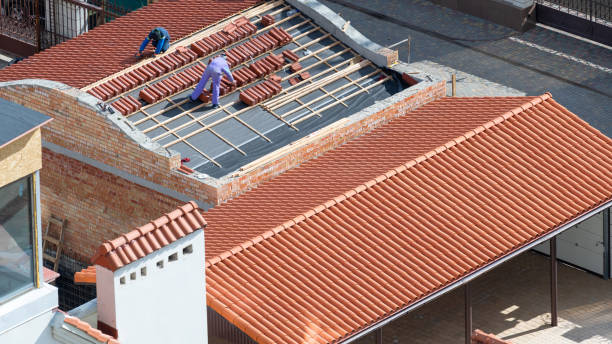
Roofers working on rooftop, install new tile Concept of house, building under construction. High angle view of two professional roofers standing on new roof, install red ceramic tile on wooden frame with protective, waterproof layer at rooftop roof replacement stock pictures, royalty-free photos & images

Roofing problems can arise due to age, weather conditions, poor installation, or lack of maintenance. Recognizing these issues early can save property owners significant costs and prevent further damage. Here are some common roofing problems and how professional roofing contractors address them effectively.

Top Commercial Roofing Services for Common Roofing Problems

  1. Leaks are one of the most prevalent roofing issues. They often occur around flashing points, chimneys, skylights, or vent pipes.
  2. Water stains on ceilings or walls are early signs of leaks.
  3. Shingles may crack, curl, or go missing due to wind damage or aging.
  4. Damaged shingles compromise the roof’s ability to shed water properly.
  5. Flat roofs often experience pooling water due to improper drainage systems.
  6. Prolonged standing water can degrade roofing materials over time.
  7. A sagging roof may indicate structural issues caused by excessive weight from water buildup, snow, or underlying rot.
  8. Flashing around chimneys, vents, and other penetration points can deteriorate over time.
  9. Poor flashing allows water to seep into unprotected areas of the roof.
  10. Moss and algae thrive in damp environments and can weaken roofing materials over time if left untreated.

How a Commercial Roofing Company Solves Common Roofing Challenges

Detailed Inspection

  • Professional contractors conduct comprehensive inspections to identify visible damage as well as underlying issues that might not be immediately apparent.
  • They use modern tools like infrared cameras to detect moisture trapped under the surface layers of a roof.

Repairs Tailored to the Problem

  • For leaks: Contractors locate the source of the leak instead of just addressing visible symptoms. They repair damaged areas by replacing compromised shingles or sealing problematic flashing points.
  • For missing shingles: Experts replace damaged shingles with new ones that match in material and color to maintain aesthetic appeal while reinforcing protection against weather elements.

Preventative Measures for Long-Term Durability

  • Installing high-quality flashing around vulnerable areas like chimneys and skylights for added protection against leaks.
  • Applying waterproof coatings on flat roofs during repair work to prevent ponding issues in future rainstorms.
  • Suggesting materials resistant to moss growth (e.g., copper-infused asphalt shingles).
Problem Type Common Cause Contractor Solution
Roof Leaks Aging materials/poor sealing Replace faulty flashings; seal cracks
Missing Shingles Storm damage/aging Replace with matching shingles
Ponding Water Inadequate drain slope Install proper drainage system

Maintenance Recommendations

  1. Scheduling annual inspections for early detection of potential problems.
  2. Keeping gutters clean to allow proper drainage.
  3. Trimming overhanging branches that might cause debris buildup or physical damage during storms.

Working with skilled contractors ensures not only immediate resolutions but also proactive measures aimed at preventing recurring issues while extending your roof’s lifespan significantly—protecting your investment for years ahead without compromising safety or performance standards.

Finding a Reliable Commercial Roofing Contractor: Common Roof Leak Causes and Repair Solutions

Roof leaks are among the most prevalent issues homeowners face, and they can lead to significant damage if not addressed promptly. Understanding the root causes of these leaks is essential to maintaining a durable roof, and professional roofing contractors are equipped with both the experience and tools needed to solve these problems efficiently. Below, we explore common reasons for roof leaks and how hiring experts ensures long-lasting repairs.

Common Causes of Roof Leaks

  1. Damaged or Missing Shingles
    Shingles provide the first line of defense against rain, snow, and other external elements. Over time, extreme weather conditions such as high winds or harsh sunlight can weaken shingles, causing cracks or complete detachment. Missing shingles expose the roof deck to moisture intrusion.
  2. Improper Flashing Installation
    Flashing is a crucial component installed around roof penetrations like chimneys, skylights, vents, or valleys. Poor installation or deterioration over time can result in water seeping into vulnerable areas.
  3. Clogged Gutters
    When gutters become clogged with leaves, debris, or dirt, water backs up onto the roof surface instead of draining away properly. Continuous pooling increases the risk of leaks.
  4. Cracks in Roof Vents or Skylights
    Vents and skylights often develop cracks around their seals due to age or improper installation techniques. Water can penetrate through these openings when left unattended.
  5. Poor Maintenance Practices
    Neglecting routine inspections or maintenance can allow small issues to evolve into major problems over time. Small cracks, loose seals, or minor debris buildup may go unnoticed until leakage occurs.

How Roofing Experts Handle Repairs Effectively

  • Thorough Inspection: Contractors start with a detailed inspection of the roof’s surface as well as interior areas like attics to identify leak sources.
  • Shingle Replacement: Damaged shingles are replaced promptly using weather-resistant materials that match existing ones for durability and uniformity.
  • Flashing Repair/Replacement: Broken flashing is either repaired with sealants or replaced entirely using quality metal sheets designed for longevity.
  • Gutter Cleaning/Debris Removal: Professionals ensure gutters are clean and functioning properly by removing blockages that impede water flow.
  • Sealant Application for Skylights/Vents: Cracks around vents and skylights are treated with advanced sealants that prevent further leakage while maintaining aesthetic appeal.
  • Preventive Maintenance Plans: Many contractors offer ongoing maintenance programs designed to detect potential issues before they escalate into costly repairs.

Benefits of Hiring Professionals Over DIY Repairs

Aspect DIY Repairs Professional Roofing Contractors
Knowledge & Expertise Limited understanding of roofing systems Extensive experience ensures accurate diagnosis
Tools & Materials May use improper tools/materials Access to specialized tools & high-quality materials
Safety Considerations Increased risk without proper training Trained personnel adhere to safety standards
Cost Efficiency Potential short-term savings Long-term solutions reduce future repair costs

By choosing professionals for your roofing needs, you not only safeguard your home from recurring leaks but also ensure your investment stands the test of time with reliable solutions tailored specifically for your situation.

Regular inspections by experienced contractors can prevent many causes of roof leaks before significant damage occurs—saving you money while preserving your property’s structural integrity in the long run.

The Impact of Storm Damage on Roofs and Why Hiring a Roofing Contractor Is Essential

Storm damage is one of the most significant threats to the integrity and longevity of a roof. Severe weather conditions, including high winds, hail, heavy rainfall, and snow, can weaken roofing materials and lead to various problems that compromise the overall structure. Understanding the impact of storm damage and knowing why professional assistance is necessary are critical steps in maintaining a safe and durable roof.

Common Types of Storm Damage to Roofs

  1. High winds can loosen or completely tear off shingles.
  2. Debris like branches or flying objects can puncture roofing materials.
  3. Flashings around vents or chimneys may get displaced due to strong gusts.
  4. Hailstones can dent metal roofs or crack asphalt shingles.
  5. Protective granules on shingles may get knocked off, reducing their lifespan.
  6. Repeated hail exposure increases vulnerability to water leaks.
  7. Heavy rains can seep through damaged areas, leading to leaks inside your home.
  8. Clogged gutters during storms exacerbate water pooling on your roof.
  9. Water infiltration causes mold growth or wood rot in roofing structures.
  10. Ice dams form when melting snow refreezes at roof edges, preventing proper drainage.
  11. Excessive snow accumulation puts undue weight on the roof structure.
  12. Trees or large branches falling during storms can cause immediate structural damage.
  13. Even smaller debris contributes to wear-and-tear over time.

Why Professional Roofing Contractors Are Essential After a Storm

Roofer worker using air or pneumatic nail gun and installing asphalt shingle on top of the new roof. Roofer worker using air or pneumatic nail gun and installing asphalt shingle on top of the new roof,Concept of residential building under construction. metal roof installation stock pictures, royalty-free photos & images

  • Thorough Inspection: Professionals have trained eyes to identify both obvious damage (like missing shingles) and hidden problems (like small punctures or water infiltration).
  • Expert Repairs: Contractors use industry-standard tools and materials to ensure durable fixes that meet building codes.
  • Safety Considerations: Climbing onto a storm-damaged roof is dangerous for homeowners without proper safety equipment or training.
  • Claims Assistance: Many contractors help document storm-related damages for insurance claims, ensuring you receive fair compensation for repairs.
  • Preventive Measures: Experts provide guidance on how to reinforce your roof against future storms by upgrading materials or improving drainage systems.

Steps Professionals Take After Storm Damage

Step Description
1. Assessment & Inspection Identify visible damages such as missing shingles, dents, cracks, or sagging areas while also checking for internal issues like leaks in your attic space.
2. Temporary Solutions Apply temporary fixes like tarps over exposed areas to prevent additional water intrusion before comprehensive repairs begin.
3. Detailed Repair Plan Create a customized plan based on inspection findings that include timelines, costs, and necessary materials for restoration work.
4. Full Repairs & Reinforcements Perform all necessary repairs using durable materials; this may include replacing damaged sections entirely if needed.
5. Post-repair Inspection & Maintenance Advice Conduct a final inspection once work is completed to ensure quality results while offering tips for ongoing maintenance practices.

Preventing Future Storm Damage

  • Install impact-resistant shingles designed specifically for high-wind areas.
  • Reinforce flashing around vents and chimneys with durable sealants.
  • Maintain gutters regularly so they don’t clog during heavy rains.

By addressing storm-related damages with professional expertise upfront, you safeguard your home from further complications down the line while extending its overall longevity effectively.

The Role of Proper Insulation and Ventilation in Ensuring a Durable Roof Structure

Proper insulation and ventilation are crucial components of a well-functioning roofing system. They work together to regulate temperature, prevent moisture buildup, and extend the lifespan of your roof. Homeowners often overlook these factors, but professional roofing contractors emphasize their importance in maintaining structural integrity and energy efficiency.

Why Insulation Matters for Roof Durability

  • Energy Efficiency: Quality insulation reduces heating and cooling costs by improving energy efficiency.
  • Moisture Control: Properly insulated roofs help prevent condensation that can lead to mold growth or wood rot.
  • Temperature Stability: Insulation prevents extreme roof temperature swings that can cause structural materials to contract and expand excessively.

Types of commonly used roofing insulation include:
| Type | Description | Best for | |———————|—————————————————-|————————————| | Fiberglass | Cost-effective and widely available | Residential homes | | Spray Foam | Excellent sealing properties | Hard-to-reach areas | | Rigid Foam Boards | High R-value per inch | Flat roofs or commercial buildings |

The Importance of Ventilation in Roofing Systems

  1. Ice Dam Formation: Without airflow, warm air trapped inside the attic melts snow on the roof surface, causing ice dams that damage shingles.
  2. Roof Deck Deterioration: Moisture from poor ventilation weakens wooden structures over time.
  3. Increased Cooling Costs: Trapped heat forces air conditioning systems to work harder, raising energy bills.

Two primary types of ventilation systems include:

Ridge Vents (installed along the peak of the roof): Allow hot air to escape naturally.

Soffit Vents (placed under eaves): Facilitate fresh air intake into the attic space.

How Professionals Ensure Effective Insulation and Ventilation

  • Performing detailed inspections to identify areas with inadequate insulation or blocked vents.
  • Recommending high-quality materials suited for the local climate.
  • Installing balanced systems where intake (soffit) and exhaust (ridge) vents work together effectively.

Benefits of Hiring Professionals for Installation or Repairs

Experienced roofing contractors ensure that both insulation and ventilation are installed correctly while adhering to building codes. Their expertise helps homeowners avoid common mistakes like over-insulating without providing adequate ventilation, which can trap moisture inside the attic. Additionally, professionals use advanced techniques such as thermal imaging to pinpoint problem areas that may not be visible during a basic inspection.

Investing in proper insulation and ventilation not only protects your home but also enhances comfort year-round while lowering maintenance costs in the long run.

Identifying Structural Weaknesses Like Roof Sagging and When to Contact a Roofing Specialist

Roof sagging is one of the most noticeable indicators of structural weaknesses in a roof and should never be ignored. A sagging roof not only diminishes the aesthetic appeal of your home but also signals potential safety hazards that may worsen over time if left unaddressed. Understanding the causes, potential risks, and when to contact a roofing specialist can help homeowners mitigate further damage.

Causes of Roof Sagging

  • Excess Weight on the Roof: Snow and ice accumulation or heavy roofing materials, such as slate or clay tiles, can place undue stress on the roof structure.
  • Poor Design or Installation: A poorly designed or improperly installed roof may lack the support required to handle typical loads, leading to structural issues over time.
  • Water Damage: Persistent leaks or poor drainage can lead to rotting wood and weakened support beams.
  • Aging Materials: Over time, roofing materials may deteriorate due to weather exposure, making them less capable of withstanding stress.
  • Foundation Problems: Shifting foundations can cause uneven pressure on walls and roofs, contributing to sagging.

Signs of Structural Weakness in Your Roof

  • Visible dips or curves on the surface of your roof
  • Cracks in walls or ceilings inside your home
  • Interior water stains caused by leaks
  • Difficulty opening or closing windows and doors due to shifting structures
  • Unusual creaking noises from overhead areas
  • Loose or missing shingles that expose underlying materials

Why You Should Contact a Roofing Specialist

  1. Accurate Diagnosis
    Professionals use specialized tools and conduct thorough inspections to identify not just visible symptoms but also hidden problems.
  2. Proper Repairs and Reinforcement
    Roofing contractors are equipped with knowledge about advanced techniques for reinforcing weak areas, replacing damaged components, and restoring stability.
  3. Safety Assurance
    Attempting DIY fixes on a sagging roof is risky. Contractors have the training necessary for working safely at heights while delivering quality results.
  4. Preventative Measures
    Specialists often recommend preventive measures such as reinforcement materials, improved ventilation systems, or better drainage solutions tailored to reduce future risks.

Table: Common Repair Methods for Sagging Roofs

Problem Type Repair Solution Benefits
Water-damaged Rafters Replace rotted wood with new beams Restores strength and prevents further decay
Heavy Roofing Materials Install lighter alternatives Reduces weight strain on support structures
Poor Drainage Add gutters or improve slope design Enhances water runoff efficiency

Final Thoughts

If you notice any signs of a sagging roof or suspect structural weaknesses in your home’s roofing system, it’s crucial not to delay seeking assistance from a qualified professional. Comprehensive inspections combined with timely repairs will protect your property while extending its lifespan. Always prioritize hiring experienced contractors who understand building codes, safety protocols, and industry best practices for optimal results.

Why Choosing Experienced Roofing Contractors Is Crucial for Your Roof Replacement Needs

When it comes to roof replacement, selecting the right contractor can make all the difference. A roof is a significant investment in your home or business, and ensuring its longevity, durability, and proper installation requires expertise. Choosing experienced roofing contractors provides numerous benefits that cannot be overlooked.

Benefits of Hiring Experienced Roofing Contractors

  1. Expertise and Knowledge
    Experienced contractors bring years of training and hands-on experience to the job. They understand:
  2. The best materials for various climates and home styles.
  3. Proper installation techniques that ensure durability and efficiency.
  4. How to address unique challenges such as complex roof designs or specific building codes.
  5. High-Quality Materials
    Seasoned roofing professionals have access to premium materials that may not be available to the general public. They can recommend durable products tailored to your budget and needs while guaranteeing better warranties for materials.
  6. Accurate Problem Identification
    An experienced roofer doesn’t just replace; they inspect thoroughly. 
  7. Hidden issues such as water damage or structural weaknesses are addressed before installation begins.
  8. Long-term problems are minimized by identifying vulnerabilities early on.
  9. Efficient Installation Process
    Hiring professionals reduces delays caused by missteps or inexperience, leading to a smoother process overall:
  10. Fewer mistakes mean fewer repairs down the line.
  11. Timely completion ensures minimal disruption to daily life or business operations.
  12. Compliance with Safety Standards
    Roof replacement involves significant risks, especially when working at heights or handling heavy materials. Experienced contractors follow strict safety protocols, reducing the risk of accidents or property damage.

Key Factors That Set Experienced Contractors Apart

Factor Experienced Contractors Inexperienced Contractors
Knowledge of Local Codes Fully aware of building regulations Limited understanding
Material Selection Access to high-quality options Often limited
Warranty Coverage Extended warranties on labor/materials Minimal warranties
Problem-Solving Skills Quick solutions based on experience Trial-and-error approach

How to Choose an Experienced Roofing Contractor

  • Check Credentials: Verify licensing, certifications, and insurance coverage.
  • Review Past Work: Look at portfolios or customer testimonials.
  • Request References: Speak directly with previous clients about their experiences.
  • Get Detailed Quotes: Compare costs but prioritize quality over pricing alone.
  • Ask About Warranties: Ensure both labor and materials are covered under warranty terms.

Why Experience Matters

Roof replacements require precision and an understanding of long-term performance goals rather than short-term fixes. An experienced contractor ensures peace of mind as they bring reliability, superior craftsmanship, and lasting results to your roofing project.

Investing in an experienced professional may initially seem more costly but is ultimately a wise decision when factoring in reduced maintenance costs over time—and avoiding premature replacements caused by poor workmanship is invaluable for homeowners seeking durable solutions.


Tags: