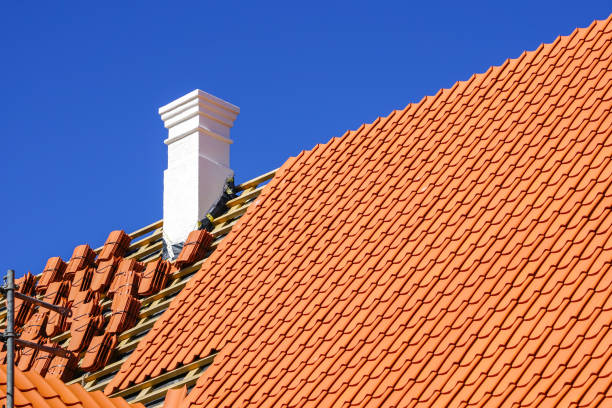
Hiring the right roofing contractor is critical to ensuring a durable and high-quality roof over your home or business. Asking the right questions before entering into an agreement can save you time, money, and potential headaches down the road. Below are some key questions to guide your decision-making process when evaluating potential roofing contractors.
Questions About Licensing and Insurance
- Are you licensed to work in this state or area?
- Can you provide proof of liability insurance and workers’ compensation coverage?
- Are there any safety certifications your team holds?
A licensed contractor ensures they have met state requirements for operating legally. Proper insurance protects both homeowners and workers in case of accidents on-site, which could otherwise leave you financially liable.
Questions About Experience and Expertise
- How long have you been in business as a roofing contractor?
- Do you specialize in residential, commercial, or both types of roofing projects?
- Can you provide examples of similar projects you’ve completed recently?
A seasoned roofer is more likely to handle unexpected challenges efficiently compared to someone new in the field. Additionally, requesting references or project portfolios helps validate their expertise.
Questions About Project Costs and Estimates
- Can I get a detailed written estimate for my roofing project?
- Does this estimate include labor, materials, permits, and cleanup costs?
- What payment options do you offer? Is financing available if needed?
Opt for contractors who provide clear breakdowns of all expenses upfront. Avoid companies that demand full payment before work begins as this could indicate potential risks.
Questions About Warranties and Guarantees
- Do you offer warranties on both materials and workmanship? If so, how long do they last?
- Is there a process for claiming warranty repairs should an issue arise after installation?
- Are manufacturers’ warranties also applicable to the materials used in your project?
Quality contractors typically stand by their work with robust warranties covering defects or poor installations.
Questions About Scheduling and Communication
- What is your anticipated start date for my roof project?
- How long will it take to complete the job once started?
- Will I have a dedicated point of contact throughout the process?
Clear communication ensures that expectations are properly set from start to finish.
By posing these questions during initial consultations with roofing contractors, you’ll be better equipped to choose one who is reliable, qualified, and aligned with your needs. Taking the time upfront can lead to smoother project execution while ensuring long-term satisfaction with your investment.
Choosing the Right Commercial Roofing Contractor: Verifying Credentials and Experience
Hiring the right commercial roofing contractor like swcommercialroofing.com is crucial to ensure the success and longevity of your roofing project. One of the most important steps in this process is verifying the business credentials and experience of the roofer you are considering. This helps you assess their reliability, professionalism, and ability to deliver quality work. Below are some key aspects to consider when evaluating a contractor’s credentials and experience.
Why Verifying Credentials is Important
Proper credentials provide evidence that a roofing contractor operates legitimately, adheres to local laws, and has the qualifications necessary to perform high-quality work. By confirming these details, you reduce potential risks such as substandard workmanship, delayed projects, or legal issues.
Key Credentials to Check
- State Licensing: Verify if they hold an active license to operate in your area. Different states have varying requirements for licensing; ensure they meet all applicable regulations.
- Insurance Coverage: Confirm that the roofer carries general liability insurance as well as worker’s compensation insurance. This protects both you and the workers in case of accidents or property damage.
- Certifications: Look for certifications from recognized manufacturers or industry associations (e.g., GAF Certified Contractor, Owens Corning Preferred Contractor). These indicate specialized training and adherence to high standards.
- Permits: Check if they are knowledgeable about obtaining necessary permits for your project and whether they’ll handle this process on your behalf.
| Credential Type | What It Ensures |
| Licensing | Legal authority to operate in your area |
| Insurance | Financial protection against accidents or damage |
| Manufacturer Certification | Expertise with specific roofing products |
| Permits | Compliance with local building codes |
Assessing Experience
Experience is another critical factor when choosing a roofer. An experienced contractor will be better equipped to handle challenges during installation or repairs while ensuring quality outcomes.
- Years in Business: Ask how long they have been operating as a professional roofing company.
- Portfolio of Work: Request examples of completed projects similar to yours (e.g., residential roofs, commercial roofs) to gauge their expertise.
- Specialization: Determine if they specialize in certain types of roofing materials (e.g., asphalt shingles, metal roofs) or styles.
- References: Request a list of past clients who can share insights about their experience working with the contractor.
Additional Questions You Should Ask
To further verify their qualifications and capabilities, consider asking these questions:
– “Can you provide proof of current licensing and insurance?”
– “How do you handle unexpected issues during a project?”
– “Do you offer warranties for your workmanship?”
Final Thoughts on Verifying Credentials
Taking time upfront to verify credentials and evaluate experience ensures clear communication between you and your chosen contractor while setting expectations for quality work. This step not only saves money but also gives peace of mind knowing that you’re working with professionals who prioritize safety, compliance, and excellence.
Key Factors to Consider When Selecting Commercial Roofing Services
Hiring a roofing contractor is a significant decision. Ensuring that the professional or company you hire is qualified and trustworthy can save you from potential headaches down the road. One of the most critical steps in this process is verifying their business credentials and experience. Here’s how you can do it effectively.
1. Confirm Licensing and Insurance
Before hiring a contractor, always verify that they are properly licensed and insured for the work in your area. Roofing contractors must adhere to state or local licensing requirements, which serve as an indicator of legitimacy and expertise.
- License Check: Request their licensing information, and verify it through your state’s contractor licensing board or relevant local authority.
- Insurance Policy: Ensure they have both liability insurance (to cover damages) and worker’s compensation insurance (to protect workers in case of injuries). Ask for proof of coverage, such as certificates of insurance.
2. Evaluate Their Experience
A roofer’s experience plays a vital role in the quality of their work. Contractors who have been in business for several years often possess better skills, more refined techniques, and an established reputation.
- Years in Business: Ask how long they have been operating under their current business name.
- Specific Expertise: Inquire about their experience with the type of roof materials or project scope you need (e.g., asphalt shingles, metal roofing, flat roofs).
Tip: Longevity doesn’t guarantee quality, but it often reflects reliability and expertise over time.
3. Research Past Projects
Reviewing past projects allows you to gauge the contractor’s ability to handle similar jobs successfully.
- Portfolio Review: Ask for photos or descriptions of completed projects.
- References: Request contact information for past clients so that you can verify their satisfaction with the work performed.
Questions to ask previous clients include:
– Was the job completed on time?
– Were there any unexpected issues during the project?
– How satisfied were you with communication throughout?
4. Verify Their Business Standing
Conduct due diligence to ensure that their company operates ethically and professionally.
- The Better Business Bureau (BBB): Look for ratings or complaints.
- Roofing industry associations like NRCA (National Roofing Contractors Association).
- Search public records to confirm there are no outstanding lawsuits or unresolved disputes involving them.
5. Clarify Warranty Details
| Warranty Type | Coverage Details | Examples |
| Manufacturer Warranty | Covers defects in roofing materials | Lifetime warranty on asphalt shingles |
| Workmanship/Installation | Covers issues arising from installation errors | 5–10 years depending on contractor policy |
Ensure they clearly explain what is covered under each warranty before signing any contracts.
Final Thoughts
Taking the time to verify credentials and experience ensures peace of mind when working with a roofing contractor. By following these steps—checking licenses, evaluating experience, researching past projects, verifying business practices, and clarifying warranties—you’ll be well-equipped to choose a reliable roofing professional who aligns with your needs.
Key Questions to Ask a Commercial Roofing Company About Project Scope and Materials

When hiring a roofing contractor, one of the most critical steps is discussing the project scope and the materials that will be used. This ensures that both parties are aligned on expectations, quality standards, and timelines. Below is a guide on the essential questions to ask and points to consider during this discussion.
Questions About Project Scope
- What specific tasks are included in your proposal?
Ensure there is clarity on whether the scope includes only repairs, full replacement, or additional services such as gutter installation or ventilation upgrades. - Are there any preliminary steps required?
Some projects may require inspections, permits, or removal of old roofing materials before starting work. - How will you handle unexpected issues?
Discuss how unforeseen problems like structural damage or water leaks will be managed and priced to avoid surprises later. - What is your policy for weather-related delays?
Since roofing projects can be affected by weather conditions, it’s important to understand how delays will impact timelines and costs.
Key Considerations for Roofing Materials
- What types of roofing materials do you offer?
Common options include asphalt shingles, metal roofing, slate tiles, clay tiles, or wood shakes. Understanding their pros and cons helps narrow down choices that align with your needs. - Are the materials suitable for my local climate?
A professional contractor should recommend materials based on factors like temperature fluctuations, rainfall frequency, or wind exposure in your area. - Do you use energy-efficient options?
Many modern roofing products include energy-saving features like reflective coatings or insulated panels that could lower utility costs over time. - Can I see product samples before deciding?
Viewing samples helps visualize how different materials will appear on your roof while assessing quality firsthand. - What warranties are provided for materials?
Confirm both manufacturer warranties and any additional coverage from the contractor to protect against defects or premature wear.
Comparing Roofing Material Options
| Material | Durability | Cost Range (per sq ft) | Maintenance Needs | Aesthetic Appeal |
| Asphalt Shingles | 15–30 years | $3–$6 | Low | Moderate |
| Metal Roofing | 40–70 years | $6–$12 | Minimal | High |
| Clay Tiles | 50+ years | $10–$18 | Moderate | Mediterranean-style |
| Slate Tiles | 75+ years | $15–$30 | Low | High |
| Wood Shakes | 20–40 years | $7–$12 | High | Rustic |
Why These Discussions Matter
Open communication about project scope and material selection ensures transparency between you and your contractor. It provides clarity on costs while avoiding potential misunderstandings during installation. Taking time to discuss these aspects also allows you to make smarter investments in both functionality and aesthetic appeal for your home’s exterior.
Understanding the Installation Process and Project Timeline for Your Roof
When planning a roofing project, it’s essential to understand the installation process and the timeline involved. This knowledge ensures a clear expectation of how the project will unfold and helps avoid miscommunication between you and your contractor. Below, we’ll break down key aspects of the roofing installation process and considerations regarding project timelines.
Step-by-Step Overview of the Roofing Installation Process
- The contractor will evaluate your roof to assess its current condition and identify any structural issues.
- Measurements are taken, and any specific concerns, such as leaks or insulation problems, are noted.
- If necessary, the existing roof materials (shingles, tiles, or other coverings) are stripped away to prepare for new installation.
- This step may also involve checking that the underlying decking or structure is sound.
- Repairs may be made to the decking if damage is found during removal.
- Underlayment material is applied to create a moisture barrier between the roof deck and outer roofing materials.
- The selected roofing materials (e.g., asphalt shingles, metal panels, clay tiles) are installed according to manufacturer recommendations.
- Additional components like flashing around chimneys or vents are installed at this stage.
- The contractor will inspect their work to ensure proper installation has been completed.
- Debris from the job site is cleared away for safety purposes.
Factors That Affect Project Timelines
- Roof Size: Larger roofs naturally take more time to complete than smaller ones.
- Material Type: Some materials require more labor-intensive installation processes. For instance, installing clay tiles may take longer compared to asphalt shingles.
- Weather Conditions: Rain or high winds can delay progress since safety concerns often prevent contractors from working during inclement weather.
- Structural Issues: If unexpected damage is uncovered during the project (e.g., rotted decking), it might extend timelines as repairs must be completed first.
| Roof Type | Average Timeframe | Notes |
| Asphalt Shingles | 1–3 days | Most common; straightforward install |
| Metal Roof | 2–5 days | Requires precise fitting |
| Tile Roof | 5–10 days | Labor-intensive due to weight/fragility |
| Flat Roof | 1–4 days | Dependent on material choice |
Communication with Your Contractor about Timelines
- Ask your contractor upfront about expected start and finish dates.
- Request updates on progress throughout each stage of installation.
- Discuss contingencies for potential delays caused by weather or unforeseen issues.
Understanding both the process and timeline for roofing projects not only provides peace of mind but also helps you monitor progress effectively. Open communication with your contractor ensures smooth execution while minimizing unexpected surprises during construction.
Ensuring Quality Assurance Measures are in Place with Your Roofing Contractor
When hiring a roofing contractor, ensuring that quality assurance measures are in place is essential to guarantee the longevity, safety, and value of your investment. Here are some key points and strategies to ensure that the contractor you select maintains high standards throughout the project.
Importance of Quality Assurance
Quality assurance helps reduce the risk of errors, ensures compliance with industry standards, and delivers a roof that meets both functional and aesthetic expectations. A strong focus on quality protects not only your home but also your financial investment.
Key Quality Assurance Measures to Look For
- Request proof that the materials being used meet or exceed local building codes and manufacturer requirements.
- Look for warranties provided by material manufacturers as a sign of reliability.
- Ensure materials are fit for your region’s climate (e.g., impact-resistant shingles for hail-prone areas).
- Verify whether the contractor employs trained professionals with certifications from organizations such as the National Roofing Contractors Association (NRCA) or manufacturer-specific training programs.
- Confirm ongoing training programs are in place to stay updated on new techniques and technologies.
- Ask how often inspections will occur during various phases of the project (e.g., pre-installation, mid-project, final inspection).
- Confirm whether an independent inspector or supervisor will evaluate the work at critical stages.
- Review if a workmanship warranty is offered by the contractor.
- Understand what is covered under this warranty (repairs, leaks, etc.) and its duration.
- Ensure a written copy is provided before starting work.
- Inquire about safety protocols followed during installation to prevent injuries or damage.
- Ask for proof of liability insurance and workers’ compensation coverage for all team members involved in your project.
Questions to Ask Your Contractor About Quality Processes
- What steps do you take to monitor work quality throughout the project?
- Do you provide documentation for inspections conducted during installation?
- Can I see examples or testimonials from previous projects similar to mine?
- How do you handle customer concerns regarding workmanship issues?
Table: Comparison Checklist for Quality Assurance
| Aspect | What to Verify | Notes |
| Materials | Certified/region-suitable | Check certifications |
| Workforce Credentials | Trained & certified professionals | Request proof |
| Inspection Process | Regular inspections detailed | Independent/audited |
| Workmanship Warranty | Comprehensive coverage | Review terms |
| Insurance | Liability & worker coverage | Request certificates |
Warning Signs of Poor Quality Assurance
- Lack of proper documentation or unwillingness to provide warranties.
- Vague answers when asked about inspection protocols.
- No references or portfolio showcasing past projects.
- Hesitation in offering proof of certifications or insurance.
Focusing on these quality assurance measures ensures peace of mind while minimizing risks associated with roofing installations. Always prioritize thorough vetting over rushed decisions when selecting a roofing professional.
Recognizing Red Flags to Avoid When Hiring a Roofing Professional
When hiring a roofing professional, it’s critical to exercise due diligence and remain alert for potential red flags that could indicate untrustworthy practices or subpar work quality. Below are common warning signs that homeowners should carefully evaluate before moving forward with a contractor.
Lack of Proper Licensing and Insurance
One of the most significant red flags is a contractor failing to provide valid licensing and insurance.
A reputable roofing contractor should have:
– A business license: Ensures they comply with local laws and regulations.
– Liability insurance: Protects your property from any accidental damage during the project.
– Workers’ compensation insurance: Covers injuries sustained by workers while on the job.
Always request documentation for verification, as hiring an uninsured roofer can leave you financially liable for damages or accidents.
Unusually Low Estimates
While affordability is essential, extremely low estimates can be problematic.
Such offers may indicate:
– Use of inferior materials that compromise durability.
– Lack of proper training or experience.
– Hidden costs not initially disclosed in the contract.
Compare quotes from multiple contractors and ensure all estimates include detailed information about materials, labor, and timelines.
No Written Contract
Avoid contractors who hesitate or outright refuse to provide a written contract.
A professional contractor will offer a detailed agreement covering:
– Scope of work.
– Materials being used.
– Start and completion dates.
– Payment terms.
A verbal agreement leaves you vulnerable if disputes arise during or after the project.
High Pressure Sales Tactics
Roofing professionals pressuring you into making an immediate decision is another red flag.
Common signs include:
– Insisting on signing contracts without time for review.
– Offering limited-time deals that force quick commitments.
Take your time reviewing options and researching contractors to avoid making hasty decisions based on pressure tactics.
Lack of References or Online Presence
A reliable roofing contractor should have references from satisfied clients or an established online presence with reviews.
Be cautious if:
– The contractor cannot provide at least 2–3 recent references upon request.
– There are multiple negative reviews or complaints about their services online.
Contact previous clients when possible to confirm their satisfaction with the contractor’s work quality, professionalism, and adherence to timelines.
Requesting Large Upfront Payments
Be wary of contractors demanding significant payment before starting work. Standard practices typically include: | Payment Milestone | Percentage Paid | |————————–|——————| | Upfront deposit | 10% – 20% | | Interim payments (if any)| Based on progress| | Final payment | After inspection |
Large upfront payments could signal financial instability or risk that they might not complete the project as agreed upon.
How to Protect Yourself During the Hiring Process
To minimize risks associated with hiring the wrong roofing professional, consider these tips:
1. Research potential contractors thoroughly by checking their credentials, reviews, and past projects.
2. Insist on clear communication throughout every stage of the process.
3. Avoid making payments in cash; use traceable methods like checks or credit cards instead.
By staying vigilant for these red flags and adhering to best practices during your search process, you can reduce stress while ensuring your roofing project is handled professionally.
- Essential Questions to Ask Before Hiring a Commercial Roofing Contractor
- The Importance of Hiring Licensed and Insured Commercial Roofing Contractors
- Expert Insights on Choosing the Best Commercial Roofing Services for Your Business
- Identifying Common Issues in Commercial Roofing and How Experts Can Resolve Them
- How to Find a Reliable Commercial Roofing Contractor and Protect Your Property Effectively
- The Complete Guide to Commercial Roofing for Your Business