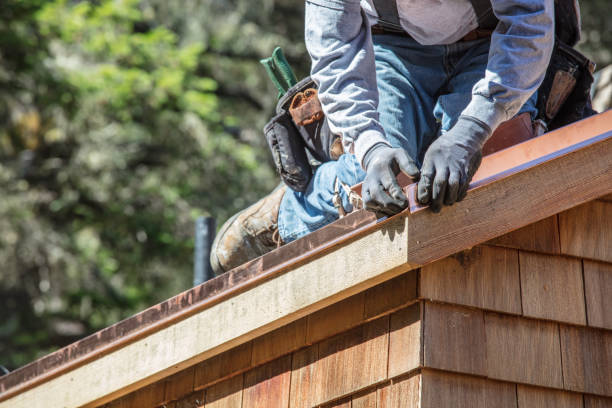
Choosing a roofing contractor is one of the most important decisions when it comes to maintaining, repairing, or replacing your roof. With so many options available, it can be overwhelming to determine which contractor is the best fit for your project. Relying on expert insights can help ensure you make an informed decision. Here’s a guide to help you hire the right roofing contractor for your home or business.
Why Hiring a Professional Roofing Contractor Matters
A roof is more than just a protective layer; it plays a crucial role in safeguarding your property from weather elements and adds value to your building. Attempting DIY roofing projects or hiring inexperienced contractors can lead to costly mistakes, structural damage, and unsafe conditions.
Professional roofing contractors bring expertise, experience, and quality workmanship that ensures long-lasting results. They also follow local building codes and safety regulations while providing warranties for their work.
Key Qualities to Look for in a Roofing Contractor
Finding the right contractor requires evaluating their qualifications, reputation, and approach to customer service.
- Ensure the contractor is properly licensed in your state or region.
- Verify they carry liability insurance and worker’s compensation insurance.
- Look for contractors with several years of experience relevant to your type of project (residential or commercial).
- Experienced contractors are typically better equipped to handle unexpected challenges.
- Check if they hold certifications from reputable manufacturers like GAF, CertainTeed, or Owens Corning.
- These certifications often indicate advanced training in specific roofing systems.
- Ask for references from past clients.
- Review their online ratings and testimonials on platforms like Google Reviews, Yelp, or the Better Business Bureau (BBB).
- A reliable contractor will offer both workmanship warranties (covering labor) as well as manufacturer warranties (covering materials).
Questions to Ask Potential Contractors
- Are you licensed and insured? Can you provide proof?
- How long have you been in business?
- Do you have experience working with my specific type of roof?
- Can you provide references from past clients?
- What does your warranty cover?
- Will you handle obtaining necessary permits?
- How do you manage unforeseen issues during the project?
Red Flags When Choosing a Roofing Contractor
- Unusually Low Bids: Beware of offers significantly lower than competing quotes; they may cut corners on materials or labor quality.
- Lack of Written Contracts: A reputable contractor should always provide detailed written agreements outlining scope, costs, timelines, and warranty details.
- High Pressure Tactics: Avoid contractors who push you into making immediate decisions without allowing time for research.
- No Physical Address or Contact Info: Always confirm that they operate out of an actual office location with valid contact details.
Comparing Multiple Contractors
| Criteria | Contractor A | Contractor B | Contractor C |
| Licensing & Insurance | ✅ | ✅ | ✅ |
| Years of Experience | Over 10 | Over 5 | Over 15 |
| Certifications | Yes | No | Yes |
| Warranty Offered | Comprehensive | Limited | Moderate |
Use this table method when evaluating bids from multiple professionals based on standardized criteria.
Hiring the right roofing contractor ensures not only excellent craftsmanship but also peace of mind throughout your project’s duration.
Finding a Reliable Commercial Roofing Contractor for Immediate Roof Replacement
A roof is one of the most critical components of any home or commercial building. Over time, wear and tear, weather conditions, and other factors can compromise its structural integrity. Recognizing the signs that your roof may need immediate replacement can save you from costly repairs and potential safety hazards. This guide will help you understand why prompt action might be necessary.
Top Signs You Need Commercial Roofing Services Immediately
- Age of the Roof
Most roofs have a lifespan depending on the material used:
| Roofing Material | Typical Lifespan |
|——————–|————————-|
| Asphalt Shingles | 20–25 years |
| Metal Roofing | 40–70 years |
| Wood Shingles | 20–30 years |
If your roof is nearing or past its expected lifespan, it may no longer provide adequate protection. - Curling or Missing Shingles
Shingles that are curling, cracked, or missing entirely can leave your roof exposed to water damage. This is a clear sign that replacement should be considered urgently. - Sagging Roof
Ignoring this problem could lead to collapse in severe cases. - Leaks and Water Damage
Repeated water infiltration can create mold problems and weaken the structure over time.
Top Reasons a Commercial Roofing Company Recommends Immediate Replacement
- Severe Weather Events: Heavy storms, hail, and high winds can cause extensive damage in a short period. If large-scale damage occurs, it’s often more practical to replace than repair piecemeal sections.
- Improper Installation: Poor workmanship during installation can shorten a roof’s lifespan significantly.
- Lack of Maintenance: Failing to inspect and maintain your roof regularly increases wear and tear over time.
- Ventilation Issues: Inadequate attic ventilation causes moisture buildup, leading to quicker deterioration of materials.
Why Timely Replacement Matters
- Higher Costs: Minor problems escalate into more extensive (and expensive) repairs if left unaddressed.
- Safety Risks: Structural instability poses risks to occupants.
- Energy Inefficiency: Older roofs tend to have poor insulation capabilities, increasing energy bills for heating or cooling.
Proactive Steps You Can Take
- Schedule routine professional inspections—even if no issues are currently visible.
- Maintain records of prior repairs or installations for reference on material age.
- Seek multiple opinions if unsure about whether repair or replacement is needed.
- Work with licensed roofing contractors who offer warranties on both labor and materials for peace of mind.
Understanding when your roof requires immediate attention not only protects your property but ensures long-term savings by addressing major problems before they worsen further. Be proactive with inspections and consult experts when necessary for optimal results.
Be Prepared: Understanding Why Your Roof May Need an Immediate Replacement
A roof is one of the most critical components of any structure, providing protection, insulation, and aesthetic value. However, there are times when a roof’s condition may deteriorate to the point that immediate replacement becomes necessary. Being well-informed about these situations can help you avoid costly damage in the long run.
Common Signs Your Roof Needs Replacement
Recognizing the warning signs early can help you act promptly.
- Asphalt shingles: 20–30 years lifespan
- Metal roofing: 40–70 years lifespan
- Clay or slate tiles: Over 50 years lifespan
If your roof has exceeded its expected lifespan, it’s time to assess its current condition. - Curling or Buckling Shingles: When shingles curl upward or buckle, they lose their ability to protect your home efficiently. This is often due to weather damage or age.
- Missing or Broken Shingles: Missing shingles expose the underlayment and wood decking to moisture, leading to rot and further structural issues.
- Mold or Algae Growth: Excessive moss, mold, or algae growth on a roof can lead to deterioration of roofing materials over time.
Common Causes of Immediate Roof Replacement
| Cause | Description |
| Severe Weather Damage | Strong winds, hailstorms, or heavy snowfall can cause irreparable damage such as broken shingles and leaks. |
| Poor Installation Practices | Improper installation methods can compromise durability and performance over time. |
| Lack of Maintenance | Neglecting regular inspections and repairs allows minor issues to worsen into major structural problems. |
Why It’s Important Not To Delay
- Increased Structural Damage: Prolonged leaks weaken wooden structures like rafters and beams.
- Higher Costs Over Time: Ignoring early warning signs often results in higher repair/replacement expenses later.
- Energy Inefficiency: Damaged roofs compromise insulation, leading to higher energy bills.
- Health Risks: Mold from water intrusion can pose serious health risks for occupants.
Steps To Take if Your Roof Needs Urgent Replacement
If you suspect your roof needs immediate attention:
1. Hire a professional roofing contractor for an inspection.
2. Obtain multiple quotes for transparency in pricing.
3. Review warranty options for materials and workmanship.
4. Discuss financing options if immediate payment is a concern.
5. Schedule repairs as soon as possible with a reputable company.
By staying informed about your roof’s condition and acting quickly when issues arise, you safeguard both your property investment and peace of mind.
Residential and Commercial Roofing Contractors: Choosing the Best Fit for Your Needs
When it comes to selecting a roofing contractor, the decision often depends on whether you need services for a residential or commercial property. Each type of roofing project comes with its own set of challenges, skill requirements, and materials. Understanding the differences and how they impact your choice of contractor is essential for a successful outcome.
Key Differences Between Residential and Commercial Roofing
| Aspect | Residential Roofing | Commercial Roofing |
| Roof Design | Steep slopes with shingles or tiles | Flat or low-slope surfaces |
| Materials Used | Asphalt shingles, metal, slate, etc. | EPDM, TPO, PVC membranes, metal |
| Size Complexity | Smaller scale | Larger scale with complex systems |
| Installation Timeline | Shorter project timelines | Longer due to material layering |
| Maintenance Needs | Easier and less frequent | Regular inspections and repairs |
Factors to Consider When Choosing Between Residential and Commercial Contractors
- Experience in Specific Projects:
Look for contractors who specialize in your type of roof. For residential projects, experience with materials like asphalt shingles or slate is critical. On the other hand, commercial contractors should have expertise in flat roofing systems like TPO or EPDM. - Certification and Licensing:
Verify that the contractor holds licenses specific to either residential or commercial roofing work in your state. Certifications from manufacturers (such as GAF for residential or Carlisle for commercial) are also indicators of competence. - Understanding of Building Codes:
Commercial properties often require compliance with stringent building codes due to safety regulations and larger roof areas. Ensure the contractor is familiar with these codes if you’re working on a business property. - Warranty Offerings:
The warranties provided may differ between residential and commercial projects due to material expectations and usage patterns. Always discuss warranty terms before hiring any contractor.
Questions to Ask Before Hiring
- Have you completed similar projects recently? Can you provide references?
- What materials do you recommend based on my property’s needs?
- Do you offer maintenance packages post-installation?
- Are your crews trained specifically for residential/commercial installations?
Why It’s Important to Choose the Right Fit
Selecting a contractor who specializes either in residential or commercial roofing ensures that they have access to the right tools, techniques, and materials tailored specifically for your project’s requirements. Misaligned expertise can lead to errors such as improper installation techniques or material mismatches that could result in costly repairs later.
Proper research into both types of contractors will save time, money, and stress while ensuring a durable roof suited perfectly to its purpose—whether it’s protecting your family home or functioning efficiently over a large-scale business facility.

Residential and Commercial Roofing Contractors: Choosing the Best Fit for Your Needs
Selecting the right roofing contractor can be overwhelming, especially when deciding between residential and commercial specialists. Each type of contractor has its own area of expertise, and understanding the differences is essential to ensuring your project is handled efficiently and professionally. Here’s a detailed guide to help you choose the best fit for your roofing needs.
Understanding Residential Roofing Contractors
Residential roofing contractors specialize in working on homes and smaller properties. These professionals focus on materials commonly used in residential settings and are adept at navigating unique challenges such as aesthetic preferences, local building codes, and limited space.
- Asphalt shingles
- Wood shakes
- Slate or tile roofing
- Familiarity with Local Building Codes
Residential roofs often have specific guidelines related to aesthetics, energy efficiency, and storm resistance. - Customer-Centric Approach
These contractors typically work directly with homeowners, offering personalized consultations to meet individual preferences.
Understanding Commercial Roofing Contractors
Commercial roofing contractors focus on larger-scale projects such as office buildings, warehouses, or retail spaces. They are trained to handle complex installations that prioritize durability and functionality over aesthetics.
- Single-ply membranes (TPO, EPDM)
- Modified bitumen systems
- Metal panel systems
- Compliance with Safety Standards
Commercial projects often require adherence to strict safety regulations due to their scale and potential hazards. - Experience with Large Surface Areas
These roofs may involve specialized equipment for installation or repairs that ensure long-term performance under heavy use.
Comparing Residential vs.
| Feature | Residential Contractors | Commercial Contractors |
| Typical Project Size | Houses & small buildings | Offices & large industrial facilities |
| Materials | Shingles, wood shakes, tiles | TPO membranes, metal panels |
| Focus | Aesthetic appeal & customer satisfaction | Durability & functionality |
| Tools/Equipment | Basic tools suited for small spaces | Heavy-duty equipment for large-scale jobs |
Key Factors When Deciding Between the Two
- Type of Property– Determine whether your project involves a single-family home or a larger commercial building. This will help narrow down the necessary expertise.
- Budget Constraints– Budgeting differs significantly between residential projects (typically smaller budgets) and commercial projects (larger budgets but longer lifespans).
- Material Requirements– If your project requires materials like asphalt shingles or single-ply membranes, this will influence which contractor you need.
- Timeline Expectations– Residential roofers often complete projects faster due to smaller scopes; commercial roofers may take longer based on property size.
Final Thoughts on Making Your Choice
Choosing between residential and commercial roofing contractors depends largely on the scope of your project and specific requirements like materials, budget, and timeline. By carefully evaluating these factors while understanding each contractor’s unique skills, you can make an informed decision that ensures lasting results for your property’s roof care needs.
Key Factors to Consider When Selecting a Reliable Roofing Company for Your Project
Choosing the right roofing company is a critical decision that impacts both the safety and value of your property. Whether it’s a residential or commercial project, finding a reliable contractor ensures quality work, timely completion, and long-term durability. Below, we outline key factors to consider when selecting a roofing company for your project.
A professional roofing contractor should hold all necessary licenses, certifications, and insurance to operate legally in your region.
- Licensing: Confirm that the contractor is licensed as per local government requirements.
- Insurance Coverage: Ensure they have both general liability insurance and workers’ compensation insurance.
- Certifications: Look for certifications from leading manufacturers like GAF or CertainTeed as proof of quality training.
By doing this due diligence, you minimize potential liabilities during the project.
Experience is a critical factor when evaluating reliability.
- How many years has the company been in business?
- Are they experienced with your type of roofing material (e. g. , asphalt shingles, metal roofs)?
- Do they specialize in residential or commercial projects?
An experienced contractor is more likely to handle unexpected challenges efficiently.
A reputable company will have a history of satisfied clients. Review their online presence by checking platforms such as Google Reviews, Yelp, or Better Business Bureau (BBB).
- Overall rating: A consistent 4-star or higher rating is ideal.
- Testimonials: Look for reviews that mention professionalism, timeliness, and quality workmanship.
- Complaint resolution: How do they address customer complaints?
Additionally, request references from past clients to hear firsthand about their experiences.
A reliable contractor offers warranties on both materials and workmanship. These provide peace of mind that any issues will be addressed promptly after project completion.
| Warranty Type | Coverage |
| Material Warranty | Provided by manufacturers; covers defects in roofing materials |
| Workmanship Warranty | Issued by the contractor; ensures proper installation |
Understanding the terms of these warranties can help protect your investment over time.
Good communication is essential for any successful project.
- Note how promptly they respond to inquiries.
- Observe whether they explain processes clearly.
- Confirm if regular updates will be provided throughout the project timeline.
Contractors who prioritize open communication reduce misunderstandings and foster trust.
- It highlights industry pricing standards.
- You can identify hidden charges or exclusions upfront.
- You gain insight into material options and timelines offered by each contractor.
Choose value over cost—ensure services meet high standards within reasonable pricing parameters.
By focusing on these critical factors when selecting a roofing company for your project, you’ll ensure that you hire professionals who deliver top-quality results tailored to your needs while staying within budget and timeline constraints.
Steps to Request an Accurate Quote from a Professional Roofing Contractor
When it comes to hiring a roofing contractor, obtaining an accurate and detailed quote is essential to avoid unexpected costs and ensure the success of your project. A comprehensive quote not only provides clarity but also helps you compare different contractors effectively. Here are the key steps to request an accurate quote from a professional roofing contractor.
Before contacting any contractors, take some time to assess your roofing requirements. Understanding your needs will help you communicate clearly and enable the contractor to provide an accurate estimate.
- Type of Project: Is it a roof repair, replacement, or new installation?
- Roofing Materials: Do you have specific materials in mind (e. g. , asphalt shingles, metal roofing, slate tiles)?
- Roof Size: If possible, measure your roof’s dimensions or refer to previous property records.
- Additional Features: Will the project include extras such as gutters, flashing repairs, or skylights?
By being prepared with these details beforehand, you set a strong foundation for receiving precise quotes.
Not all contractors are created equal. Conduct thorough research to identify experienced and trustworthy professionals in your area.
- Online reviews on platforms like Google or Yelp
- Recommendations from friends or family members
- Credentials such as licensing and insurance coverage
- Examples of previous projects via their portfolios
Create a shortlist of at least three contractors whose expertise aligns with your project requirements.
Accurate quotes require firsthand evaluation of your roof’s condition. Invite each contractor on your list for an on-site inspection rather than relying solely on phone consultations or email exchanges.
- Point out any visible damage (e. g. , leaks, missing shingles).
- Ask them about potential underlying issues that might not be immediately apparent without professional insight.
- Discuss how weather conditions in your region may impact material choices or timelines.
On-site inspections allow contractors to provide more realistic assessments tailored specifically to your property.
Ask each contractor for a written estimate that includes itemized costs for labor, materials, permits (if applicable), disposal fees, and other expenses related to the job. A detailed breakdown helps prevent hidden charges later on while giving you confidence in their transparency.
| Component | Example Details |
| Materials | Type/brand of shingles or other materials being used |
| Labor Costs | Hourly rates or total cost estimate |
| Timeline Estimate | Approximate start/end dates |
| Warranty Information | Coverage period for both materials and workmanship |
Once you’ve gathered multiple quotes from different contractors, compare them side by side—not just based on price but also considering quality factors like warranty offerings and material durability.
- Are all necessary services included?
- Do they explain potential variations in cost due to unforeseen issues?
- How does their timeline align with yours?
Opting for the cheapest option may not always guarantee long-term satisfaction—prioritize value over price alone.
1) Clarify acceptable payment methods (e. g. , cash vs credit).
2) Confirm whether deposits/installments are required before work begins.
3) Review cancellation policies if applicable changes arise unexpectedly mid-project.
Steps to Request an Accurate Quote from a Professional Roofing Contractor
When planning a roofing project, obtaining an accurate quote is essential for budgeting and ensuring that you hire the right contractor. A clear, detailed quote helps you avoid unexpected costs and ensures transparency in your roofing project. Below are the steps to request an accurate quote from a professional roofing contractor.
To ensure that the contractor provides an accurate estimate, share as much information about your project as possible.
– Type of property: Specify whether it’s residential or commercial.
– Roof type: Identify if you have a flat roof, metal roof, asphalt shingles, or another material.
– Square footage: Provide the roof’s measurements or approximate size.
– Existing issues: Mention any signs of leaks, damage, or other concerns.
The more comprehensive your initial description, the easier it will be for contractors to provide precise quotes.
A professional contractor should inspect your roof before providing a final estimate. This step ensures they fully understand the scope of work required and can identify underlying problems that might not be visible at first glance.
– Structural integrity of the roof framework.
– Condition of shingles or covering materials.
– Presence of water damage or mold in attic spaces.
Inspections often lead to more accurate quotes because they eliminate guesswork.
Inquire about how much of the estimate will go toward materials and labor so you can better understand where your money is going.
| Category | Estimated Cost Range |
| Roofing Materials | $X-$X per square foot |
| Labor Costs | $X-$X per hour |
| Additional Services | (e.g., old roof removal) |
Requesting this breakdown allows for easy comparison between quotes from different contractors.
Ensure that each quote specifies what services are included and excluded.
– Removal and disposal of old roofing materials (if applicable).
– Installation methods being used for new materials.
– Any structural repairs necessary prior to installation.
– Cleanup services after project completion.
This clarification minimizes misunderstandings during your project.
It’s important to inquire about warranties for both labor and materials when reviewing quotes:
1.Material Warranty– Covers defects in roofing materials supplied by manufacturers.
2.Workmanship Warranty– Protects against improper installation by the contractor.
Ask for details regarding warranty durations and conditions included within their proposal documents.
Before signing any contracts based on estimates provided by contractors make sure payment schedules/terms agreed-upon fairly protect both yourself &service providers working alongside timeline constraints.
- Essential Questions to Ask Before Hiring a Commercial Roofing Contractor
- The Importance of Hiring Licensed and Insured Commercial Roofing Contractors
- Expert Insights on Choosing the Best Commercial Roofing Services for Your Business
- Identifying Common Issues in Commercial Roofing and How Experts Can Resolve Them
- How to Find a Reliable Commercial Roofing Contractor and Protect Your Property Effectively
- The Complete Guide to Commercial Roofing for Your Business