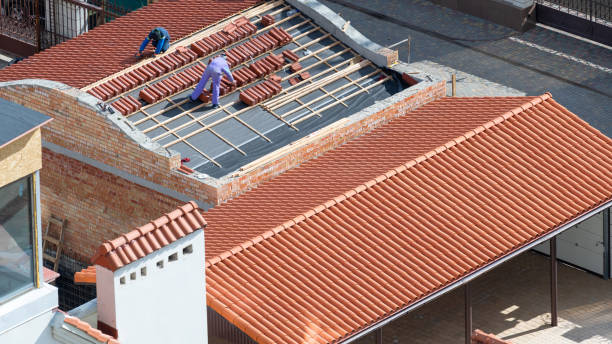
Roofing problems can arise due to age, weather conditions, poor installation, or lack of maintenance. Recognizing these issues early can save property owners significant costs and prevent further damage. Here are some common roofing problems and how professional roofing contractors address them effectively.
Top Commercial Roofing Services for Common Roofing Problems
- Leaks are one of the most prevalent roofing issues. They often occur around flashing points, chimneys, skylights, or vent pipes.
- Water stains on ceilings or walls are early signs of leaks.
- Shingles may crack, curl, or go missing due to wind damage or aging.
- Damaged shingles compromise the roof’s ability to shed water properly.
- Flat roofs often experience pooling water due to improper drainage systems.
- Prolonged standing water can degrade roofing materials over time.
- A sagging roof may indicate structural issues caused by excessive weight from water buildup, snow, or underlying rot.
- Flashing around chimneys, vents, and other penetration points can deteriorate over time.
- Poor flashing allows water to seep into unprotected areas of the roof.
- Moss and algae thrive in damp environments and can weaken roofing materials over time if left untreated.
How a Commercial Roofing Company Solves Common Roofing Challenges
Detailed Inspection
- Professional contractors conduct comprehensive inspections to identify visible damage as well as underlying issues that might not be immediately apparent.
- They use modern tools like infrared cameras to detect moisture trapped under the surface layers of a roof.
Repairs Tailored to the Problem
- For leaks: Contractors locate the source of the leak instead of just addressing visible symptoms. They repair damaged areas by replacing compromised shingles or sealing problematic flashing points.
- For missing shingles: Experts replace damaged shingles with new ones that match in material and color to maintain aesthetic appeal while reinforcing protection against weather elements.
Preventative Measures for Long-Term Durability
- Installing high-quality flashing around vulnerable areas like chimneys and skylights for added protection against leaks.
- Applying waterproof coatings on flat roofs during repair work to prevent ponding issues in future rainstorms.
- Suggesting materials resistant to moss growth (e.g., copper-infused asphalt shingles).
| Problem Type | Common Cause | Contractor Solution |
| Roof Leaks | Aging materials/poor sealing | Replace faulty flashings; seal cracks |
| Missing Shingles | Storm damage/aging | Replace with matching shingles |
| Ponding Water | Inadequate drain slope | Install proper drainage system |
Maintenance Recommendations
- Scheduling annual inspections for early detection of potential problems.
- Keeping gutters clean to allow proper drainage.
- Trimming overhanging branches that might cause debris buildup or physical damage during storms.
Working with skilled contractors ensures not only immediate resolutions but also proactive measures aimed at preventing recurring issues while extending your roof’s lifespan significantly—protecting your investment for years ahead without compromising safety or performance standards.
Finding a Reliable Commercial Roofing Contractor: Common Roof Leak Causes and Repair Solutions
Roof leaks are among the most prevalent issues homeowners face, and they can lead to significant damage if not addressed promptly. Understanding the root causes of these leaks is essential to maintaining a durable roof, and professional roofing contractors are equipped with both the experience and tools needed to solve these problems efficiently. Below, we explore common reasons for roof leaks and how hiring experts ensures long-lasting repairs.
Common Causes of Roof Leaks
- Damaged or Missing Shingles
Shingles provide the first line of defense against rain, snow, and other external elements. Over time, extreme weather conditions such as high winds or harsh sunlight can weaken shingles, causing cracks or complete detachment. Missing shingles expose the roof deck to moisture intrusion. - Improper Flashing Installation
Flashing is a crucial component installed around roof penetrations like chimneys, skylights, vents, or valleys. Poor installation or deterioration over time can result in water seeping into vulnerable areas. - Clogged Gutters
When gutters become clogged with leaves, debris, or dirt, water backs up onto the roof surface instead of draining away properly. Continuous pooling increases the risk of leaks. - Cracks in Roof Vents or Skylights
Vents and skylights often develop cracks around their seals due to age or improper installation techniques. Water can penetrate through these openings when left unattended. - Poor Maintenance Practices
Neglecting routine inspections or maintenance can allow small issues to evolve into major problems over time. Small cracks, loose seals, or minor debris buildup may go unnoticed until leakage occurs.
How Roofing Experts Handle Repairs Effectively
- Thorough Inspection: Contractors start with a detailed inspection of the roof’s surface as well as interior areas like attics to identify leak sources.
- Shingle Replacement: Damaged shingles are replaced promptly using weather-resistant materials that match existing ones for durability and uniformity.
- Flashing Repair/Replacement: Broken flashing is either repaired with sealants or replaced entirely using quality metal sheets designed for longevity.
- Gutter Cleaning/Debris Removal: Professionals ensure gutters are clean and functioning properly by removing blockages that impede water flow.
- Sealant Application for Skylights/Vents: Cracks around vents and skylights are treated with advanced sealants that prevent further leakage while maintaining aesthetic appeal.
- Preventive Maintenance Plans: Many contractors offer ongoing maintenance programs designed to detect potential issues before they escalate into costly repairs.
Benefits of Hiring Professionals Over DIY Repairs
| Aspect | DIY Repairs | Professional Roofing Contractors |
| Knowledge & Expertise | Limited understanding of roofing systems | Extensive experience ensures accurate diagnosis |
| Tools & Materials | May use improper tools/materials | Access to specialized tools & high-quality materials |
| Safety Considerations | Increased risk without proper training | Trained personnel adhere to safety standards |
| Cost Efficiency | Potential short-term savings | Long-term solutions reduce future repair costs |
By choosing professionals for your roofing needs, you not only safeguard your home from recurring leaks but also ensure your investment stands the test of time with reliable solutions tailored specifically for your situation.
Regular inspections by experienced contractors can prevent many causes of roof leaks before significant damage occurs—saving you money while preserving your property’s structural integrity in the long run.
The Impact of Storm Damage on Roofs and Why Hiring a Roofing Contractor Is Essential
Storm damage is one of the most significant threats to the integrity and longevity of a roof. Severe weather conditions, including high winds, hail, heavy rainfall, and snow, can weaken roofing materials and lead to various problems that compromise the overall structure. Understanding the impact of storm damage and knowing why professional assistance is necessary are critical steps in maintaining a safe and durable roof.
Common Types of Storm Damage to Roofs
- High winds can loosen or completely tear off shingles.
- Debris like branches or flying objects can puncture roofing materials.
- Flashings around vents or chimneys may get displaced due to strong gusts.
- Hailstones can dent metal roofs or crack asphalt shingles.
- Protective granules on shingles may get knocked off, reducing their lifespan.
- Repeated hail exposure increases vulnerability to water leaks.
- Heavy rains can seep through damaged areas, leading to leaks inside your home.
- Clogged gutters during storms exacerbate water pooling on your roof.
- Water infiltration causes mold growth or wood rot in roofing structures.
- Ice dams form when melting snow refreezes at roof edges, preventing proper drainage.
- Excessive snow accumulation puts undue weight on the roof structure.
- Trees or large branches falling during storms can cause immediate structural damage.
- Even smaller debris contributes to wear-and-tear over time.
Why Professional Roofing Contractors Are Essential After a Storm

- Thorough Inspection: Professionals have trained eyes to identify both obvious damage (like missing shingles) and hidden problems (like small punctures or water infiltration).
- Expert Repairs: Contractors use industry-standard tools and materials to ensure durable fixes that meet building codes.
- Safety Considerations: Climbing onto a storm-damaged roof is dangerous for homeowners without proper safety equipment or training.
- Claims Assistance: Many contractors help document storm-related damages for insurance claims, ensuring you receive fair compensation for repairs.
- Preventive Measures: Experts provide guidance on how to reinforce your roof against future storms by upgrading materials or improving drainage systems.
Steps Professionals Take After Storm Damage
| Step | Description |
| 1. Assessment & Inspection | Identify visible damages such as missing shingles, dents, cracks, or sagging areas while also checking for internal issues like leaks in your attic space. |
| 2. Temporary Solutions | Apply temporary fixes like tarps over exposed areas to prevent additional water intrusion before comprehensive repairs begin. |
| 3. Detailed Repair Plan | Create a customized plan based on inspection findings that include timelines, costs, and necessary materials for restoration work. |
| 4. Full Repairs & Reinforcements | Perform all necessary repairs using durable materials; this may include replacing damaged sections entirely if needed. |
| 5. Post-repair Inspection & Maintenance Advice | Conduct a final inspection once work is completed to ensure quality results while offering tips for ongoing maintenance practices. |
Preventing Future Storm Damage
- Install impact-resistant shingles designed specifically for high-wind areas.
- Reinforce flashing around vents and chimneys with durable sealants.
- Maintain gutters regularly so they don’t clog during heavy rains.
By addressing storm-related damages with professional expertise upfront, you safeguard your home from further complications down the line while extending its overall longevity effectively.
The Role of Proper Insulation and Ventilation in Ensuring a Durable Roof Structure
Proper insulation and ventilation are crucial components of a well-functioning roofing system. They work together to regulate temperature, prevent moisture buildup, and extend the lifespan of your roof. Homeowners often overlook these factors, but professional roofing contractors emphasize their importance in maintaining structural integrity and energy efficiency.
Why Insulation Matters for Roof Durability
- Energy Efficiency: Quality insulation reduces heating and cooling costs by improving energy efficiency.
- Moisture Control: Properly insulated roofs help prevent condensation that can lead to mold growth or wood rot.
- Temperature Stability: Insulation prevents extreme roof temperature swings that can cause structural materials to contract and expand excessively.
Types of commonly used roofing insulation include:
| Type | Description | Best for | |———————|—————————————————-|————————————| | Fiberglass | Cost-effective and widely available | Residential homes | | Spray Foam | Excellent sealing properties | Hard-to-reach areas | | Rigid Foam Boards | High R-value per inch | Flat roofs or commercial buildings |
The Importance of Ventilation in Roofing Systems
- Ice Dam Formation: Without airflow, warm air trapped inside the attic melts snow on the roof surface, causing ice dams that damage shingles.
- Roof Deck Deterioration: Moisture from poor ventilation weakens wooden structures over time.
- Increased Cooling Costs: Trapped heat forces air conditioning systems to work harder, raising energy bills.
Two primary types of ventilation systems include:
– Ridge Vents (installed along the peak of the roof): Allow hot air to escape naturally.
– Soffit Vents (placed under eaves): Facilitate fresh air intake into the attic space.
How Professionals Ensure Effective Insulation and Ventilation
- Performing detailed inspections to identify areas with inadequate insulation or blocked vents.
- Recommending high-quality materials suited for the local climate.
- Installing balanced systems where intake (soffit) and exhaust (ridge) vents work together effectively.
Benefits of Hiring Professionals for Installation or Repairs
Experienced roofing contractors ensure that both insulation and ventilation are installed correctly while adhering to building codes. Their expertise helps homeowners avoid common mistakes like over-insulating without providing adequate ventilation, which can trap moisture inside the attic. Additionally, professionals use advanced techniques such as thermal imaging to pinpoint problem areas that may not be visible during a basic inspection.
Investing in proper insulation and ventilation not only protects your home but also enhances comfort year-round while lowering maintenance costs in the long run.
Identifying Structural Weaknesses Like Roof Sagging and When to Contact a Roofing Specialist
Roof sagging is one of the most noticeable indicators of structural weaknesses in a roof and should never be ignored. A sagging roof not only diminishes the aesthetic appeal of your home but also signals potential safety hazards that may worsen over time if left unaddressed. Understanding the causes, potential risks, and when to contact a roofing specialist can help homeowners mitigate further damage.
Causes of Roof Sagging
- Excess Weight on the Roof: Snow and ice accumulation or heavy roofing materials, such as slate or clay tiles, can place undue stress on the roof structure.
- Poor Design or Installation: A poorly designed or improperly installed roof may lack the support required to handle typical loads, leading to structural issues over time.
- Water Damage: Persistent leaks or poor drainage can lead to rotting wood and weakened support beams.
- Aging Materials: Over time, roofing materials may deteriorate due to weather exposure, making them less capable of withstanding stress.
- Foundation Problems: Shifting foundations can cause uneven pressure on walls and roofs, contributing to sagging.
Signs of Structural Weakness in Your Roof
- Visible dips or curves on the surface of your roof
- Cracks in walls or ceilings inside your home
- Interior water stains caused by leaks
- Difficulty opening or closing windows and doors due to shifting structures
- Unusual creaking noises from overhead areas
- Loose or missing shingles that expose underlying materials
Why You Should Contact a Roofing Specialist
- Accurate Diagnosis
Professionals use specialized tools and conduct thorough inspections to identify not just visible symptoms but also hidden problems. - Proper Repairs and Reinforcement
Roofing contractors are equipped with knowledge about advanced techniques for reinforcing weak areas, replacing damaged components, and restoring stability. - Safety Assurance
Attempting DIY fixes on a sagging roof is risky. Contractors have the training necessary for working safely at heights while delivering quality results. - Preventative Measures
Specialists often recommend preventive measures such as reinforcement materials, improved ventilation systems, or better drainage solutions tailored to reduce future risks.
Table: Common Repair Methods for Sagging Roofs
| Problem Type | Repair Solution | Benefits |
| Water-damaged Rafters | Replace rotted wood with new beams | Restores strength and prevents further decay |
| Heavy Roofing Materials | Install lighter alternatives | Reduces weight strain on support structures |
| Poor Drainage | Add gutters or improve slope design | Enhances water runoff efficiency |
Final Thoughts
If you notice any signs of a sagging roof or suspect structural weaknesses in your home’s roofing system, it’s crucial not to delay seeking assistance from a qualified professional. Comprehensive inspections combined with timely repairs will protect your property while extending its lifespan. Always prioritize hiring experienced contractors who understand building codes, safety protocols, and industry best practices for optimal results.
Why Choosing Experienced Roofing Contractors Is Crucial for Your Roof Replacement Needs
When it comes to roof replacement, selecting the right contractor can make all the difference. A roof is a significant investment in your home or business, and ensuring its longevity, durability, and proper installation requires expertise. Choosing experienced roofing contractors provides numerous benefits that cannot be overlooked.
Benefits of Hiring Experienced Roofing Contractors
- Expertise and Knowledge
Experienced contractors bring years of training and hands-on experience to the job. They understand: - The best materials for various climates and home styles.
- Proper installation techniques that ensure durability and efficiency.
- How to address unique challenges such as complex roof designs or specific building codes.
- High-Quality Materials
Seasoned roofing professionals have access to premium materials that may not be available to the general public. They can recommend durable products tailored to your budget and needs while guaranteeing better warranties for materials. - Accurate Problem Identification
An experienced roofer doesn’t just replace; they inspect thoroughly. - Hidden issues such as water damage or structural weaknesses are addressed before installation begins.
- Long-term problems are minimized by identifying vulnerabilities early on.
- Efficient Installation Process
Hiring professionals reduces delays caused by missteps or inexperience, leading to a smoother process overall: - Fewer mistakes mean fewer repairs down the line.
- Timely completion ensures minimal disruption to daily life or business operations.
- Compliance with Safety Standards
Roof replacement involves significant risks, especially when working at heights or handling heavy materials. Experienced contractors follow strict safety protocols, reducing the risk of accidents or property damage.
Key Factors That Set Experienced Contractors Apart
| Factor | Experienced Contractors | Inexperienced Contractors |
| Knowledge of Local Codes | Fully aware of building regulations | Limited understanding |
| Material Selection | Access to high-quality options | Often limited |
| Warranty Coverage | Extended warranties on labor/materials | Minimal warranties |
| Problem-Solving Skills | Quick solutions based on experience | Trial-and-error approach |
How to Choose an Experienced Roofing Contractor
- Check Credentials: Verify licensing, certifications, and insurance coverage.
- Review Past Work: Look at portfolios or customer testimonials.
- Request References: Speak directly with previous clients about their experiences.
- Get Detailed Quotes: Compare costs but prioritize quality over pricing alone.
- Ask About Warranties: Ensure both labor and materials are covered under warranty terms.
Why Experience Matters
Roof replacements require precision and an understanding of long-term performance goals rather than short-term fixes. An experienced contractor ensures peace of mind as they bring reliability, superior craftsmanship, and lasting results to your roofing project.
Investing in an experienced professional may initially seem more costly but is ultimately a wise decision when factoring in reduced maintenance costs over time—and avoiding premature replacements caused by poor workmanship is invaluable for homeowners seeking durable solutions.
- Essential Questions to Ask Before Hiring a Commercial Roofing Contractor
- The Importance of Hiring Licensed and Insured Commercial Roofing Contractors
- Expert Insights on Choosing the Best Commercial Roofing Services for Your Business
- Identifying Common Issues in Commercial Roofing and How Experts Can Resolve Them
- How to Find a Reliable Commercial Roofing Contractor and Protect Your Property Effectively
- The Complete Guide to Commercial Roofing for Your Business